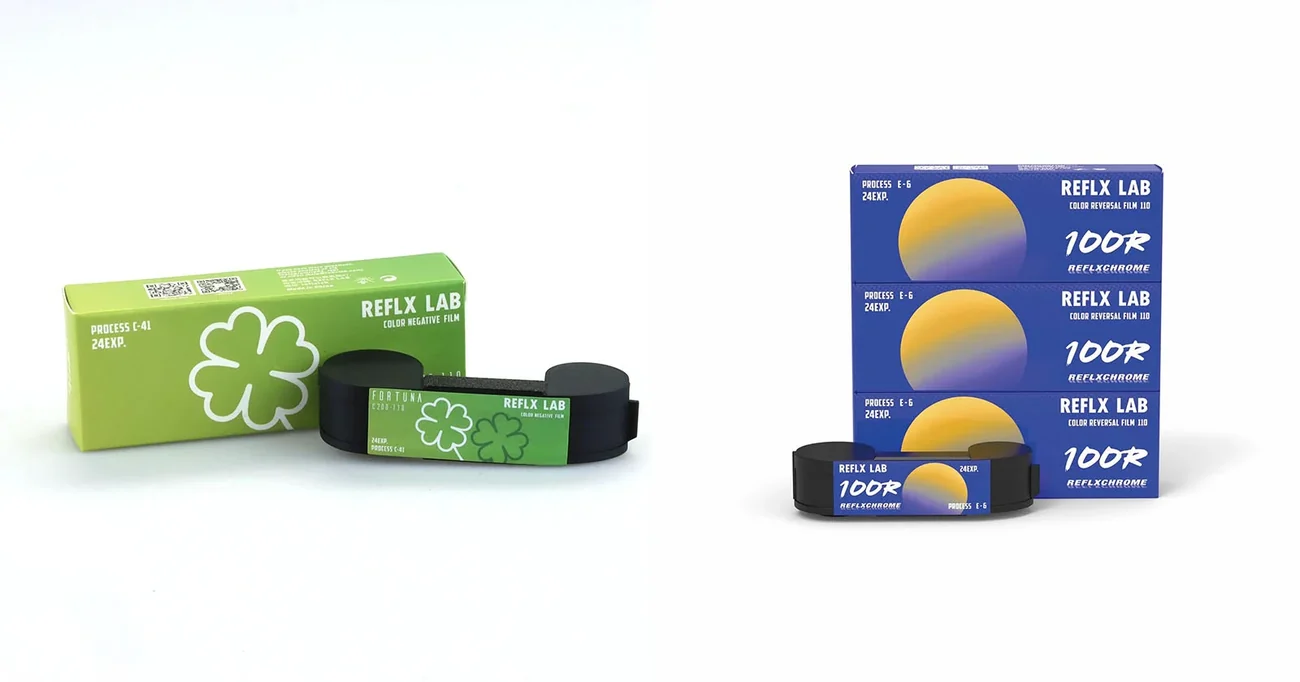
"The number of companies making 110 film just went from one to three. In this little corner of the world, that's big news."
110 is a tiny format Kodak introduced in the 1970s. Each negative is 13×17mm, honestly about the size of a fingernail. It died out for a while, until Lomography revived it and kept it barely going, and for all practical purposes that one company was it. Now Reflx Lab, known for respooling film, has added two stocks, which takes the count of makers from one to three. The market has literally more than doubled.
The way it started is a little random. Reflx reportedly got 110 as a side branch while making another discontinued format, 127. Co-founder Yongxiang told Kosmo Foto it was "a kind of happy accident." Reflx makes the cartridges itself with a 3D printer, and each one holds 24 exposures.
Fortuna C200: an everyday color negative

Fortuna C200 is China's Lucky C200 color negative respooled into a 110 cartridge. ISO 200, C-41 processing. The color is mild and doesn't pop too hard, which makes it a good fit for everyday snaps. That said, on a 13×17mm negative the size of a fingernail, the grain is coarser than 35mm and the detail goes soft. That's not really a flaw. It's just what the 110 format looks like.


100R: a slide the size of a fingernail
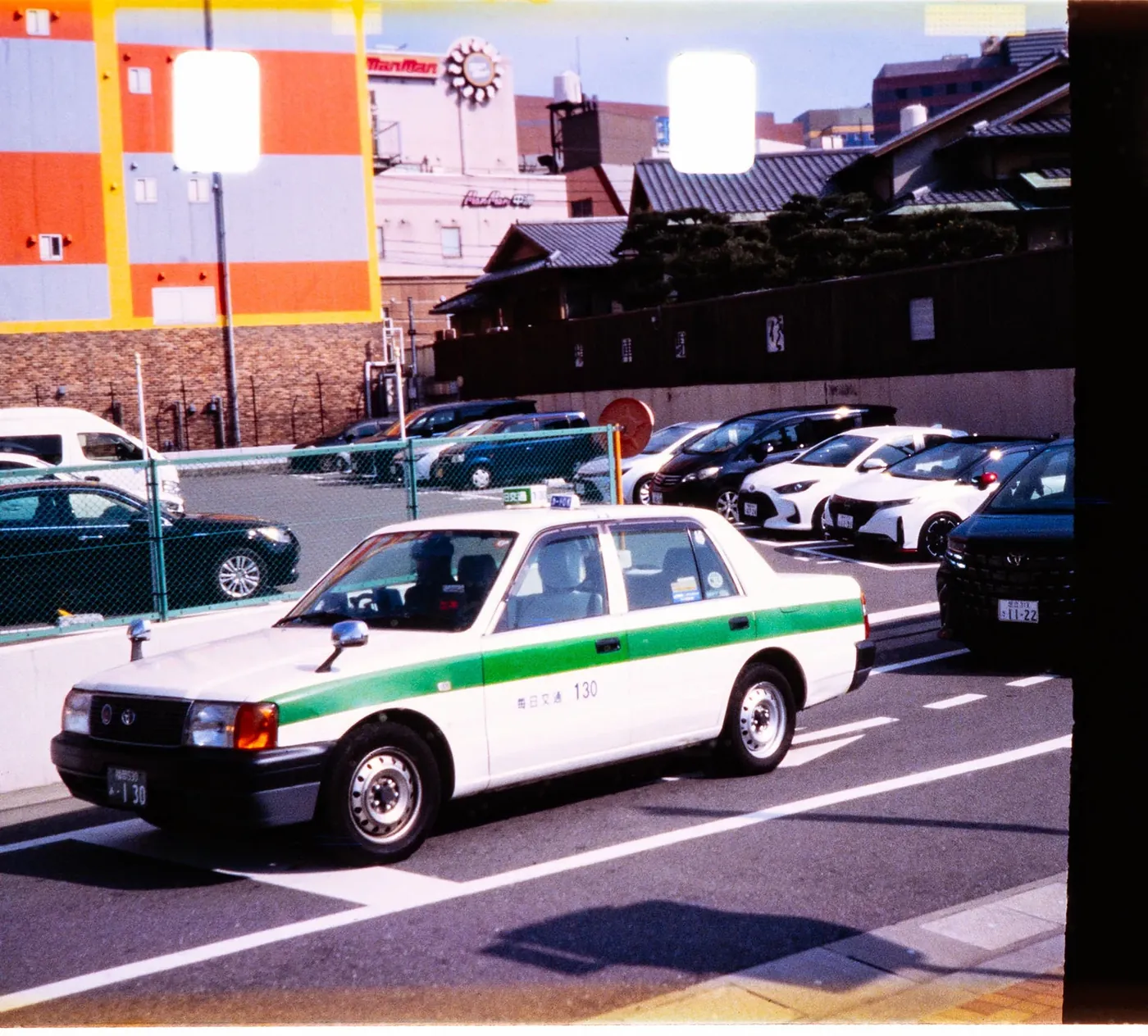
100R is a bit more unusual. It's a color reversal (slide) film made by respooling 16mm Ektachrome motion picture film into 110. Shooting slides on 110 is rare enough in itself. ISO 100, E-6 processing, and true to Ektachrome, it has clear, punchy saturation and solid contrast. It costs a little more than Fortuna, at US$24.99. It's worth checking ahead of time for a lab that handles slide (E-6) processing.


Who's it for?
Both come in standard 110 cartridges, so they drop straight into a Pentax Auto 110 or a Lomography 110 camera. One more excuse to pull that tiny camera out of the drawer where it's been sleeping. The coarse grain and soft detail of a fingernail-sized negative are a weakness if you're chasing sharpness. But if you know the fun of snapping away with a small, light camera, that's exactly the appeal.
It's not some groundbreaking new technology. Still, a format that had one option now has a choice, and you can even shoot slides on 110. Isn't that reason enough to take an Auto 110 out with you this summer?