

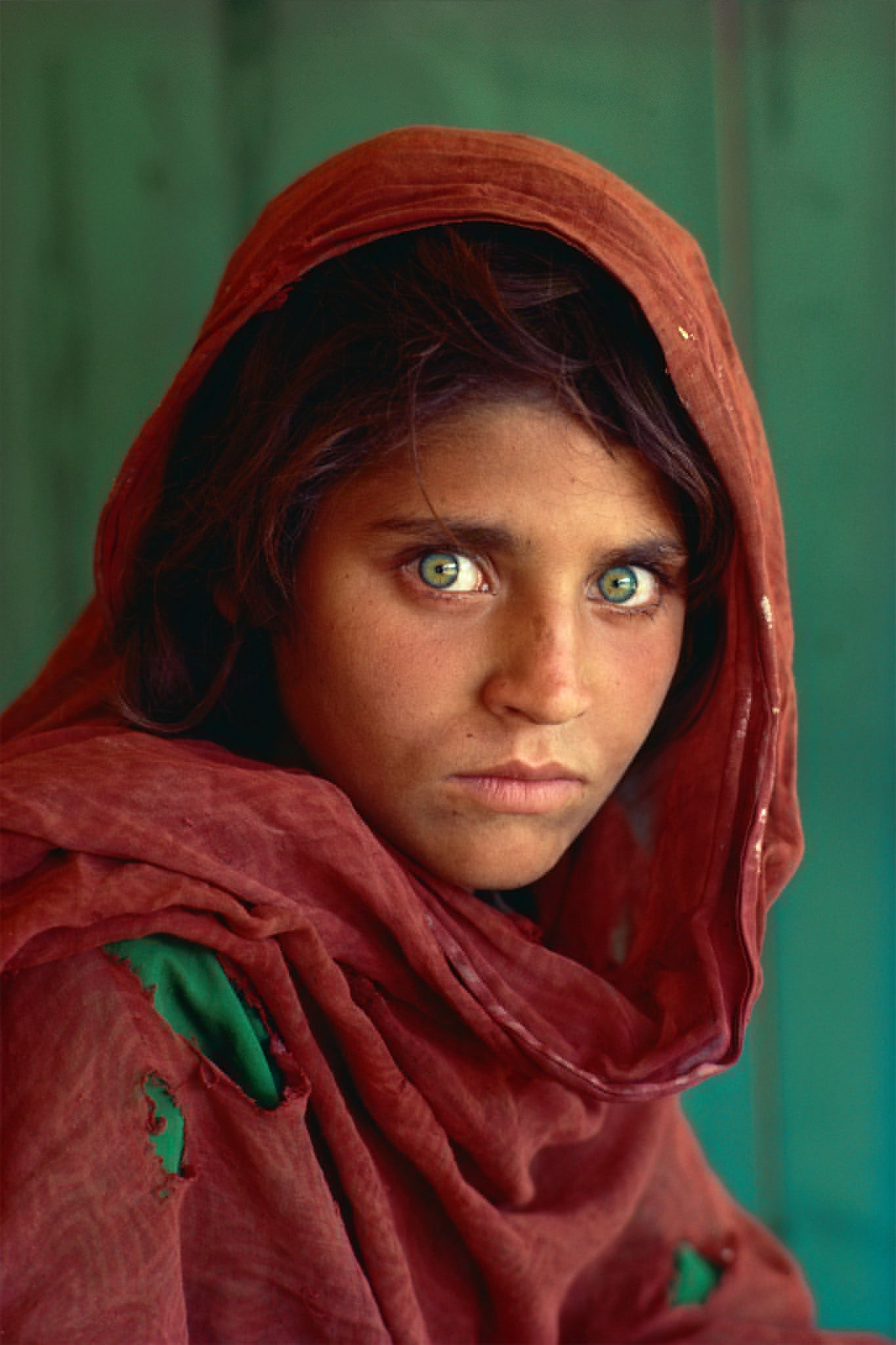
The green eyes of Afghan Girl in 1984 were shot on a Nikon FM2. Some 5ft.mag readers still load film into an FM2 today.
Which film cameras produced nine famous photographs? We go camera by camera, and for five of them we set the photo beside shots by 5ft.mag readers taken on the same model or the same line.
Cameras 5ft.mag Readers Use Too
For each camera we show the famous photo first, with a reader's photo from the same model below it.
Nikon FM2, Afghan Girl (1984)
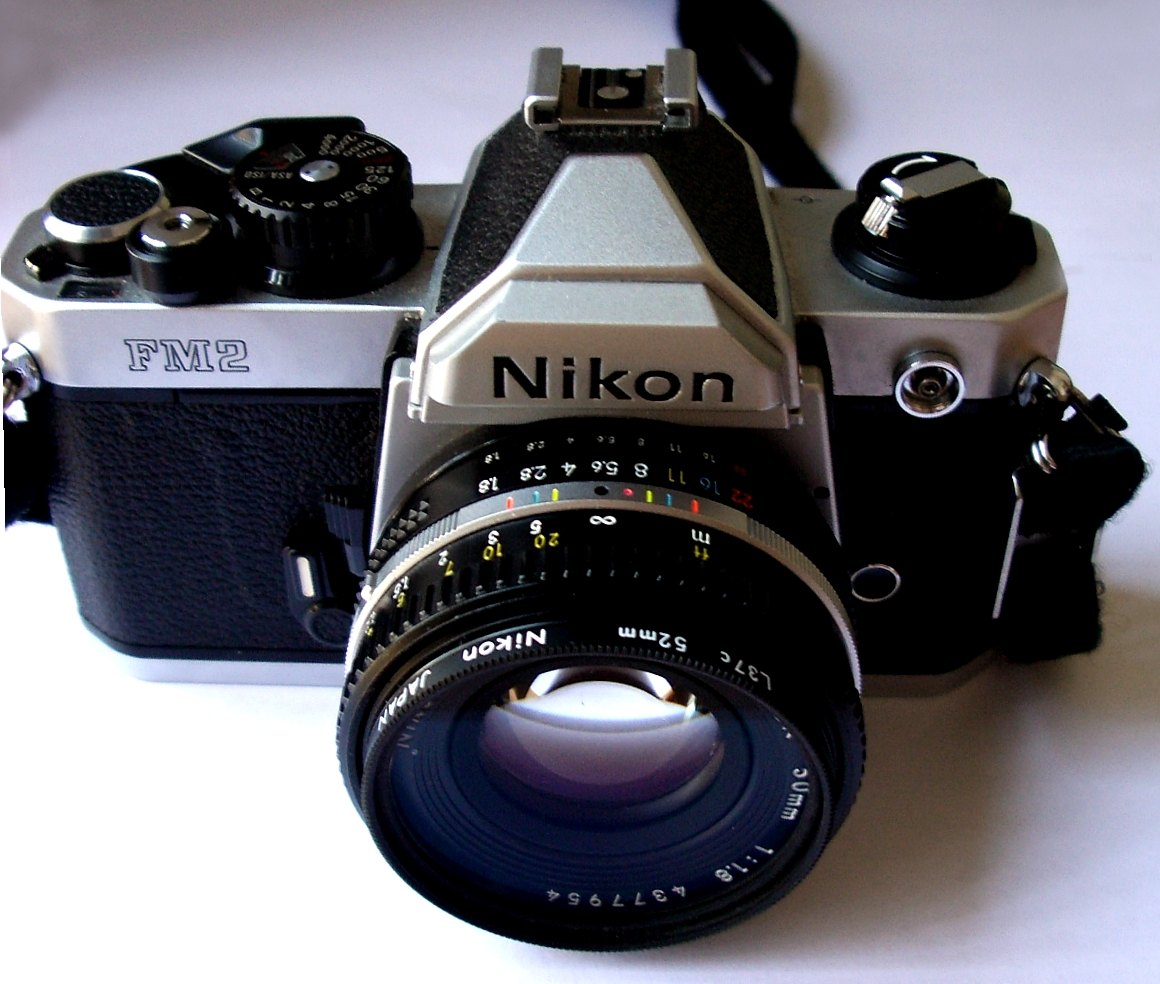
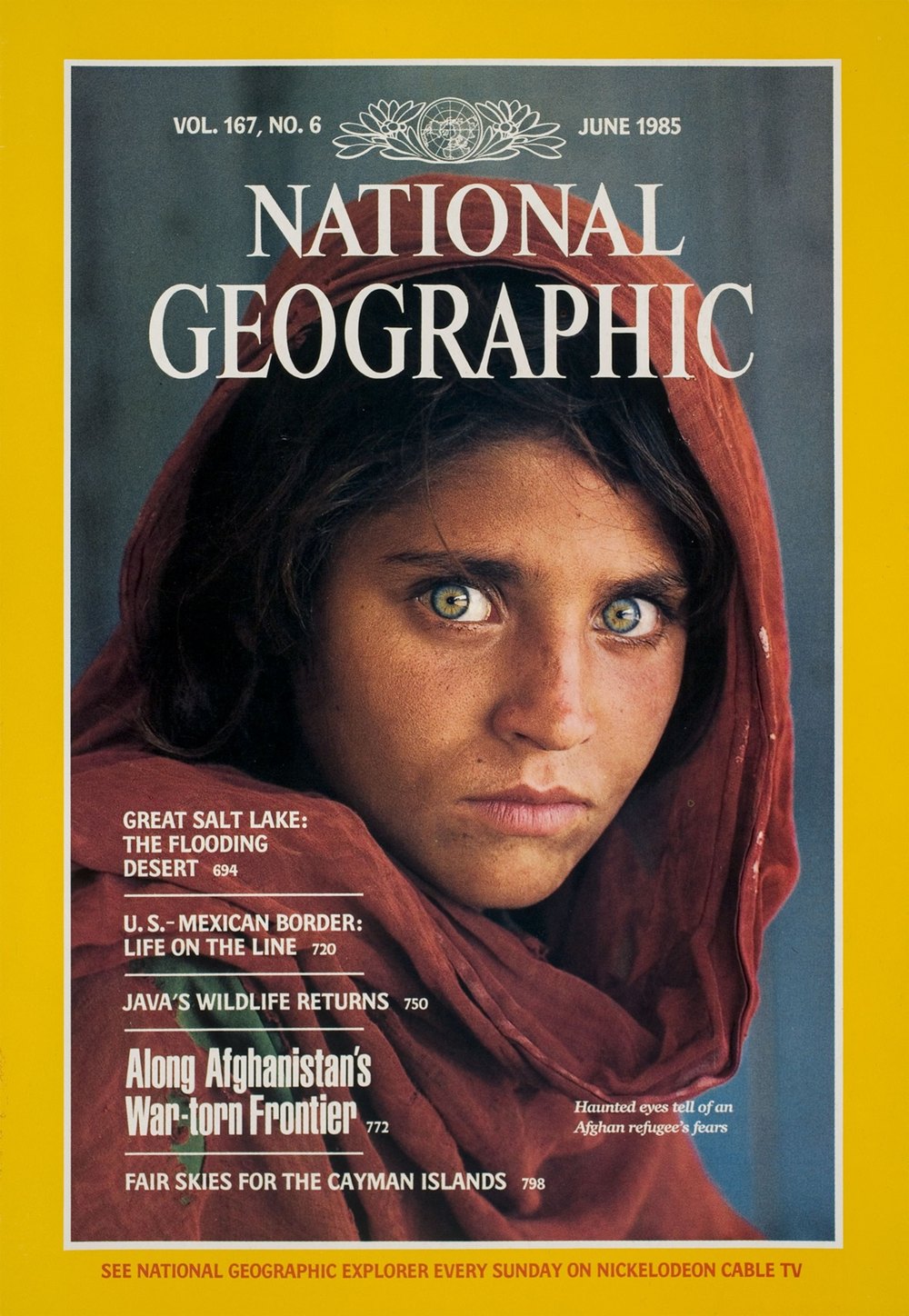
It was December 1984, inside a tent at the Nasir Bagh refugee camp near Peshawar, Pakistan. Steve McCurry shot a young girl on a Nikon FM2 with a 105mm f/2.5 lens and Kodachrome 64 film. The photo became the cover of the June 1985 issue of National Geographic, and the girl was identified as Sharbat Gula in 2002.


Nikon FE2, Tank Man (1989)
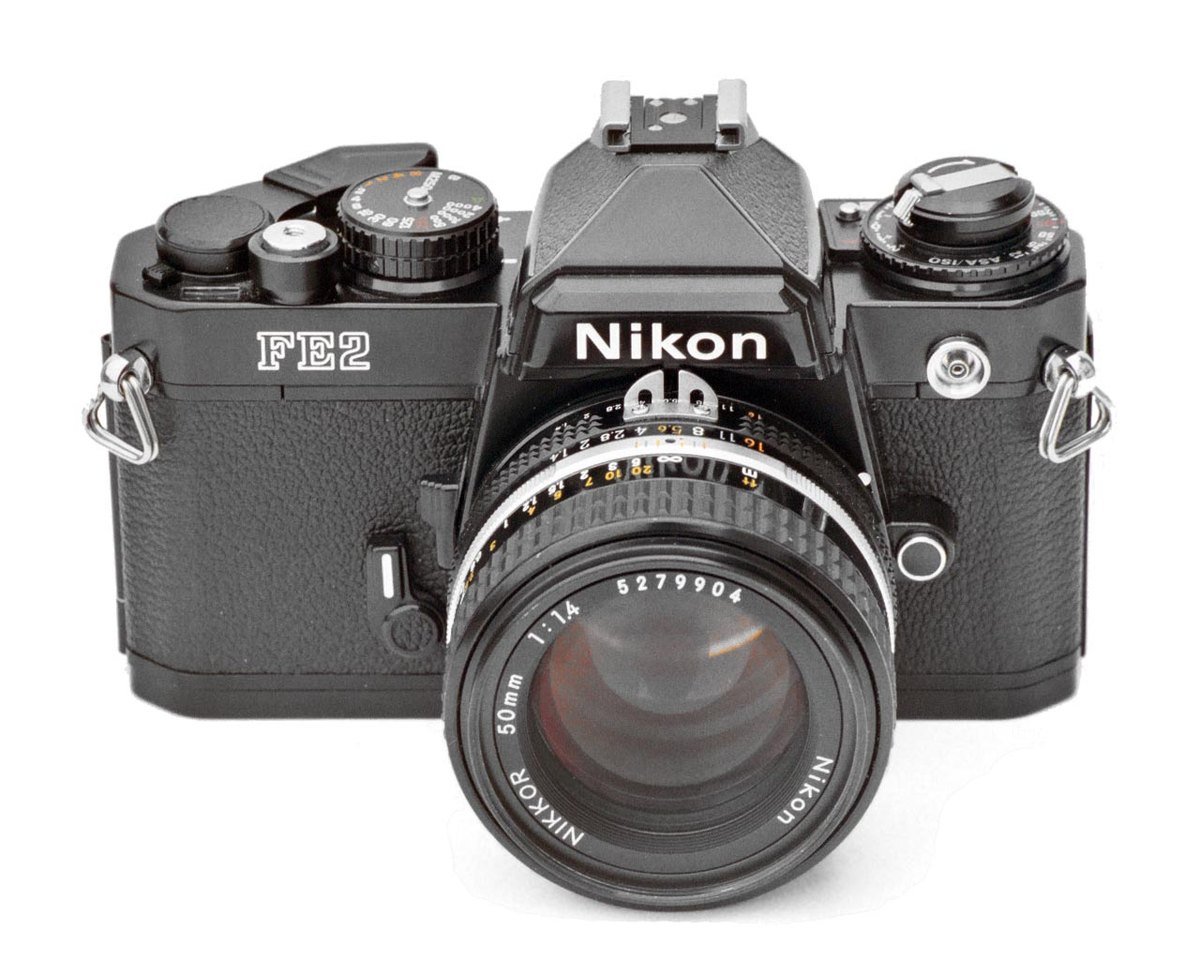

June 5, 1989, Chang'an Avenue in Beijing. From a balcony of the Beijing Hotel, AP photographer Jeff Widener shot a man blocking a column of tanks, using a Nikon FE2 with a 400mm lens and a teleconverter. The film was a single roll of ISO 100 he had gotten from a traveler. Newsweek's Charlie Cole, Time's Stuart Franklin and Reuters' Arthur Tsang also captured the same scene, each in different frames.

Fujifilm GA645Zi, 9/11 (2001)
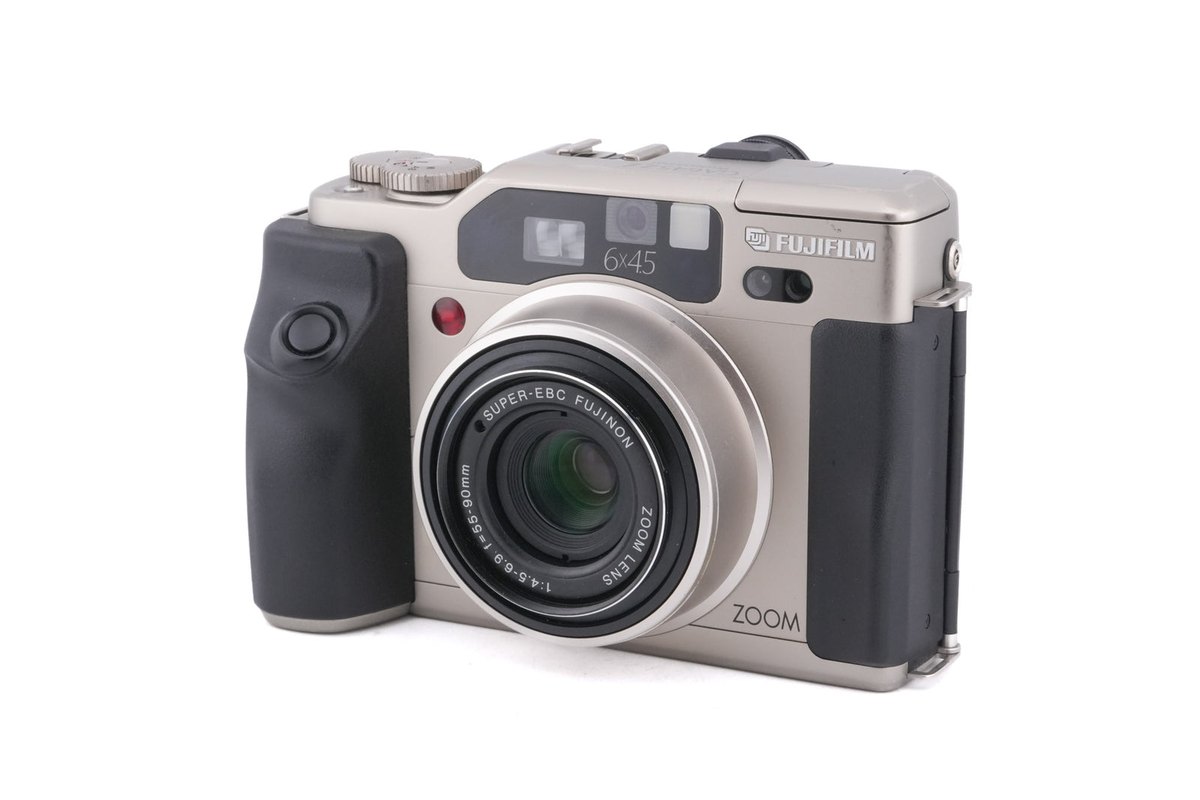

On the morning of September 11, 2001, photographer Lyle Owerko, near Tribeca in Manhattan, shot the moment United Airlines Flight 175 hit the South Tower of the World Trade Center on a Fujifilm GA645Zi, a 6×4.5 medium-format film camera. The photo became the cover of TIME's 9/11 special issue.

Hasselblad 500 Series, Earthrise (1968) and Abbey Road (1969)
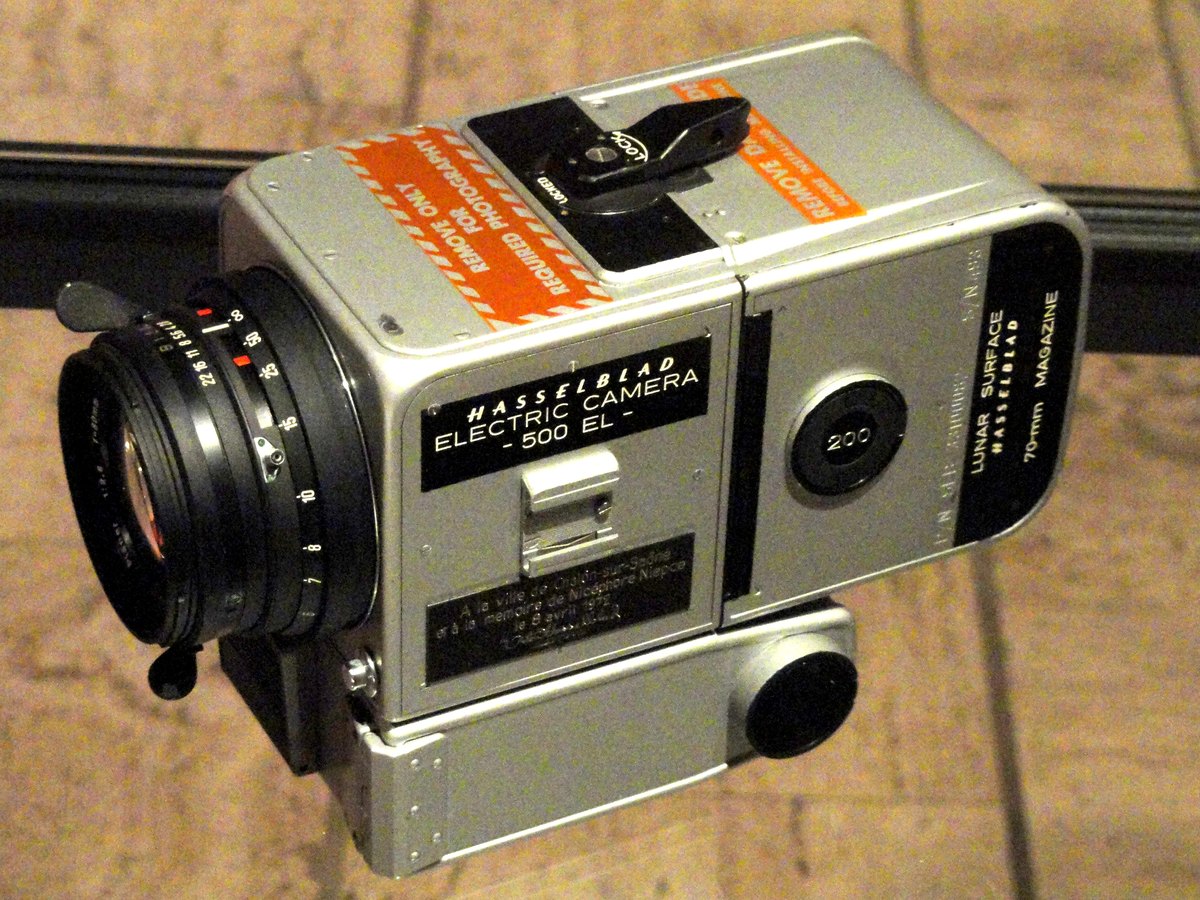
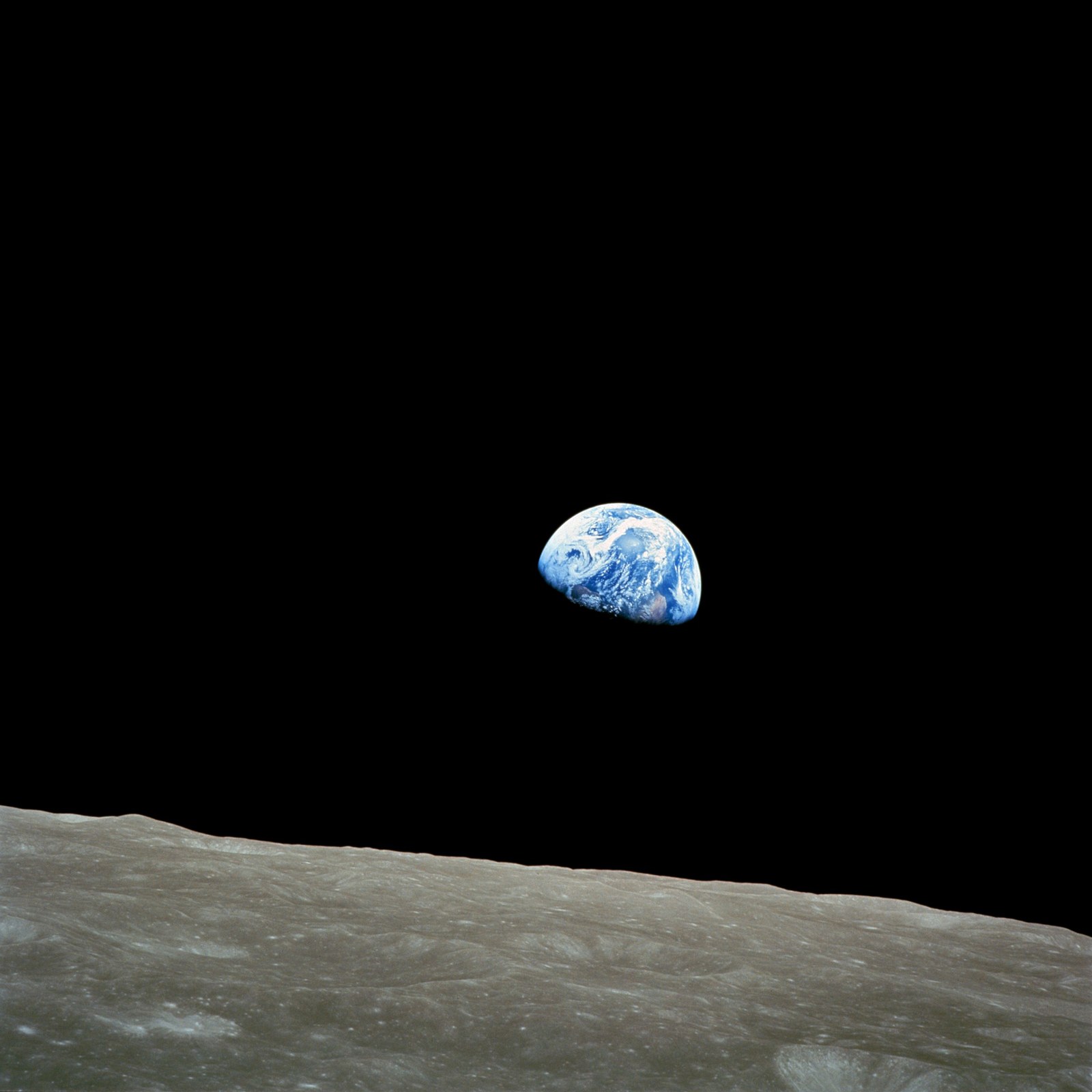
On December 24, 1968, Apollo 8's William Anders photographed the Earth rising over the lunar horizon from lunar orbit. The camera was a Hasselblad 500 EL modified for use in space, with a 250mm lens and 70mm Kodak Ektachrome film.
The next year, on the morning of August 8, Iain Macmillan climbed a stepladder outside EMI Studios in London and shot the Beatles crossing the zebra crossing six times. The camera was a Hasselblad 500C, the lens a Distagon 50mm. The cover of the album Abbey Road is the fifth frame, picked by Paul McCartney from among them.
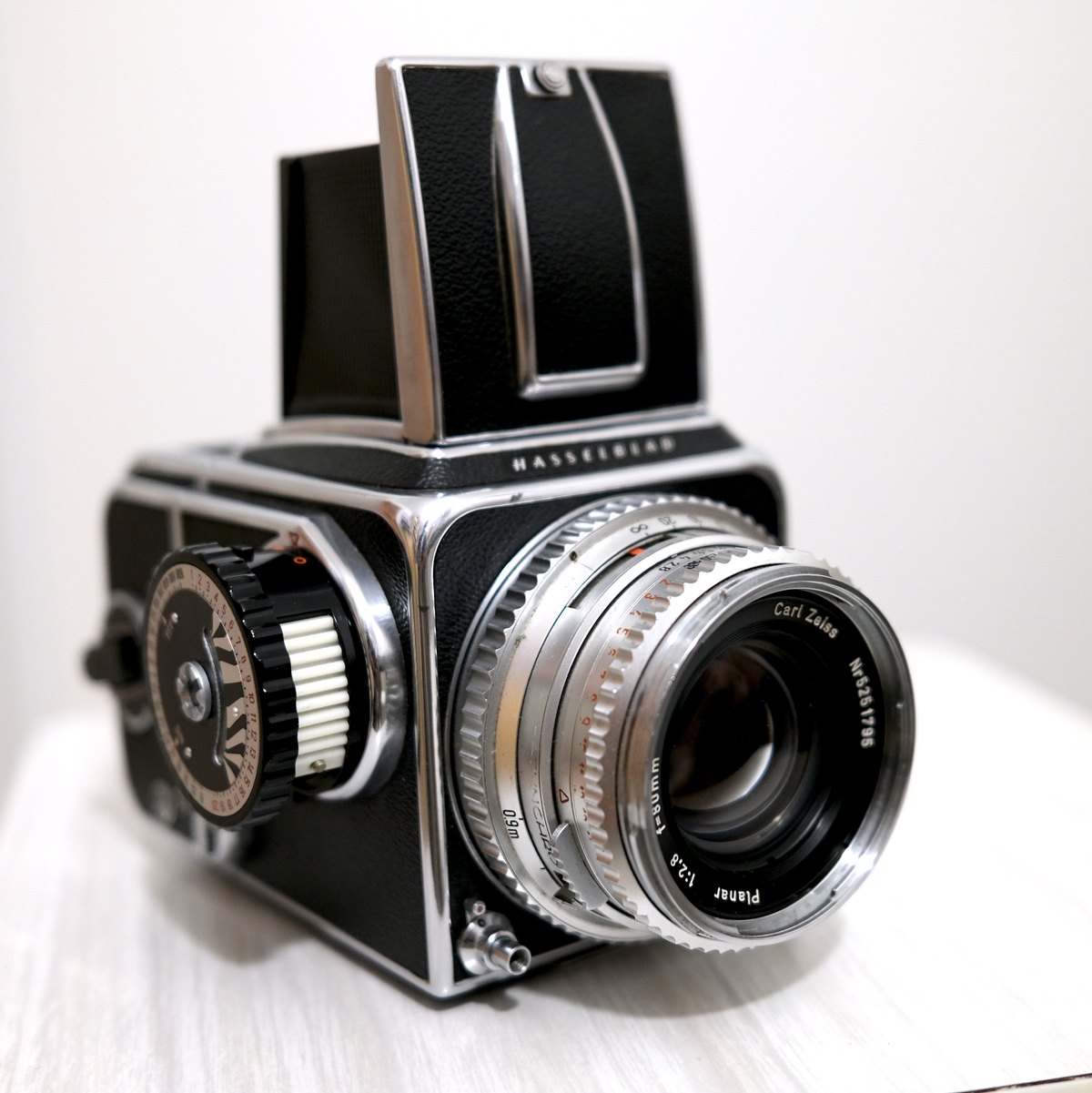
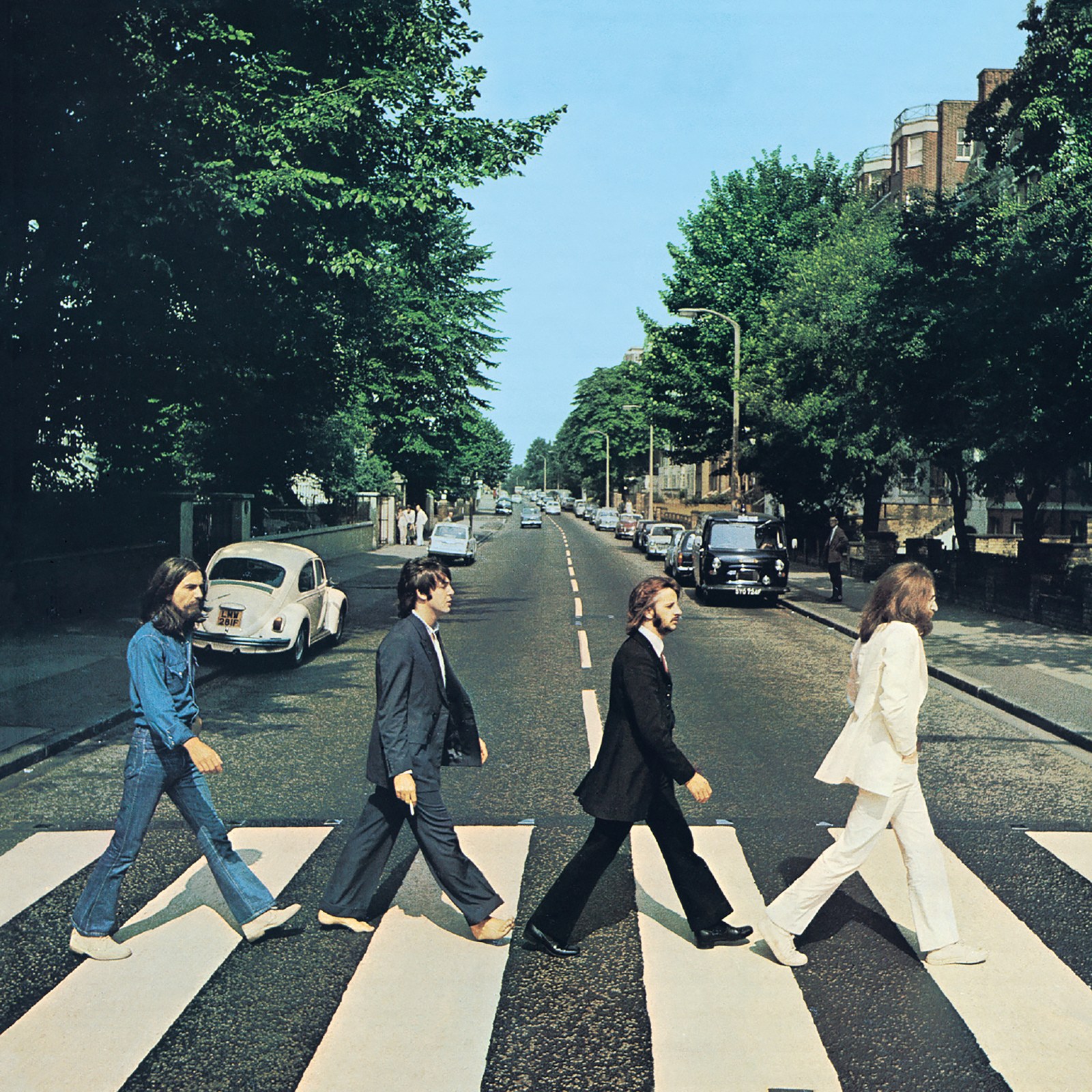
The two below were shot by readers on the 500 C/M, the model that followed the 500C.


The Cameras Behind the Other Four
Contax II, Normandy Landings (1944)
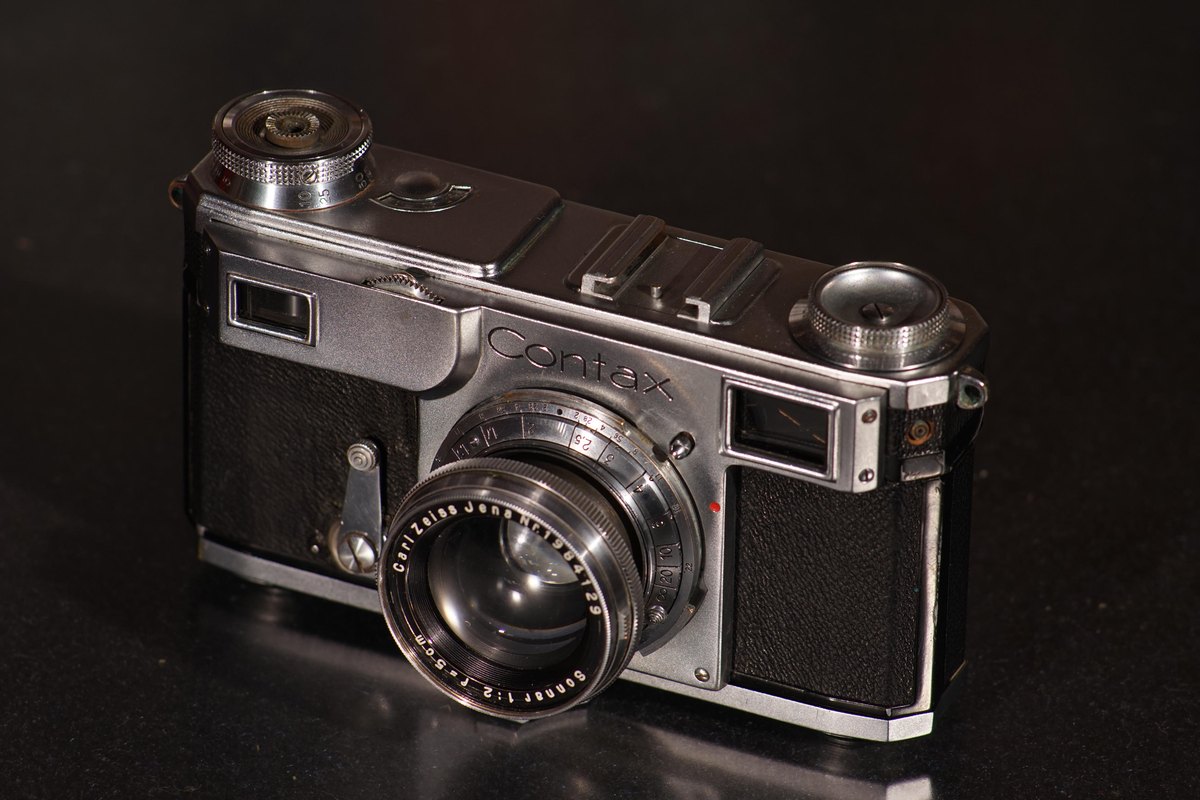
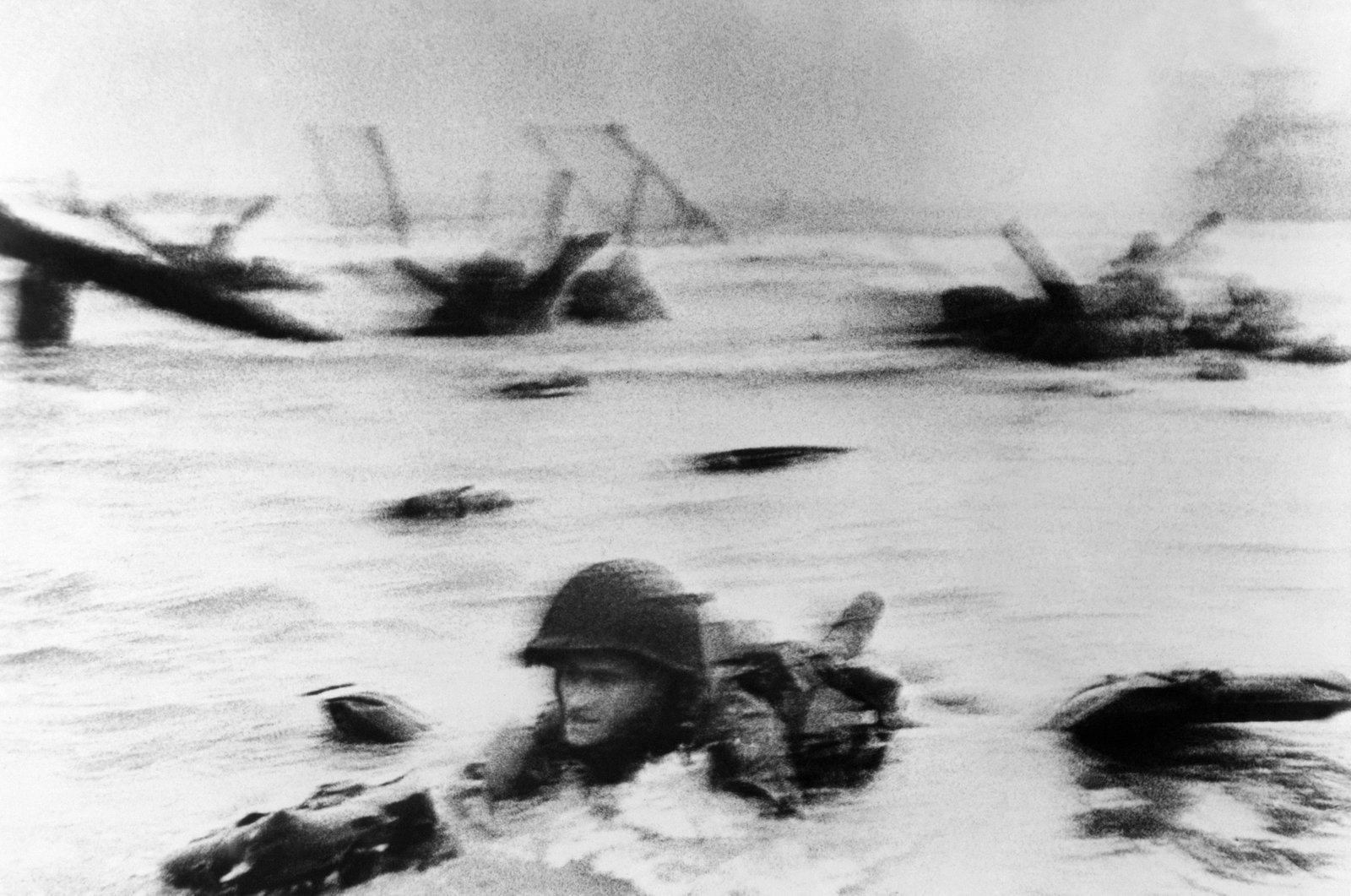
On June 6, 1944, Robert Capa waded ashore at Omaha Beach in Normandy with the landing troops, carrying two Contax II cameras. How this photo made it into LIFE is told in our article on the LIFE relaunch.
Graflex Speed Graphic, Raising the Flag on Iwo Jima (1945)
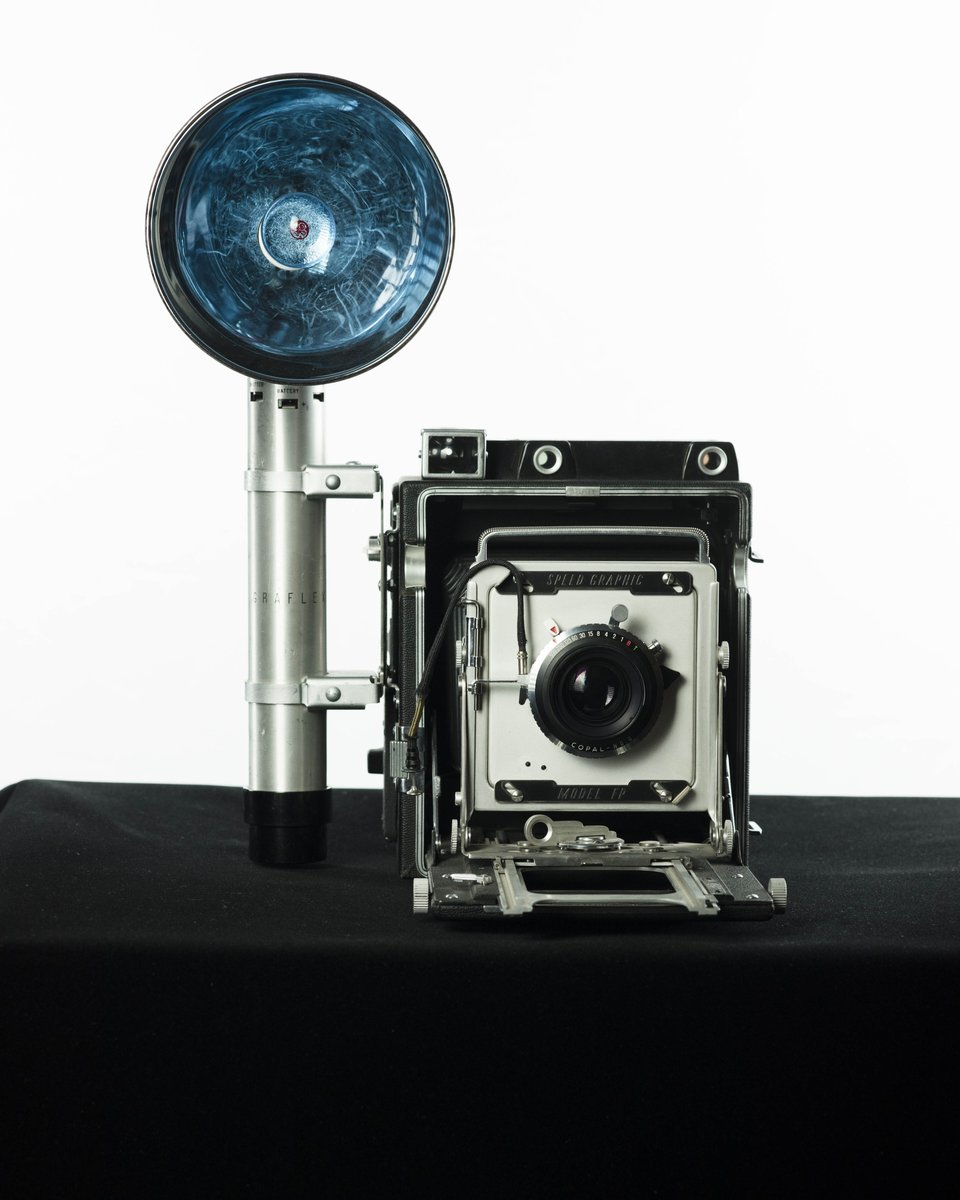
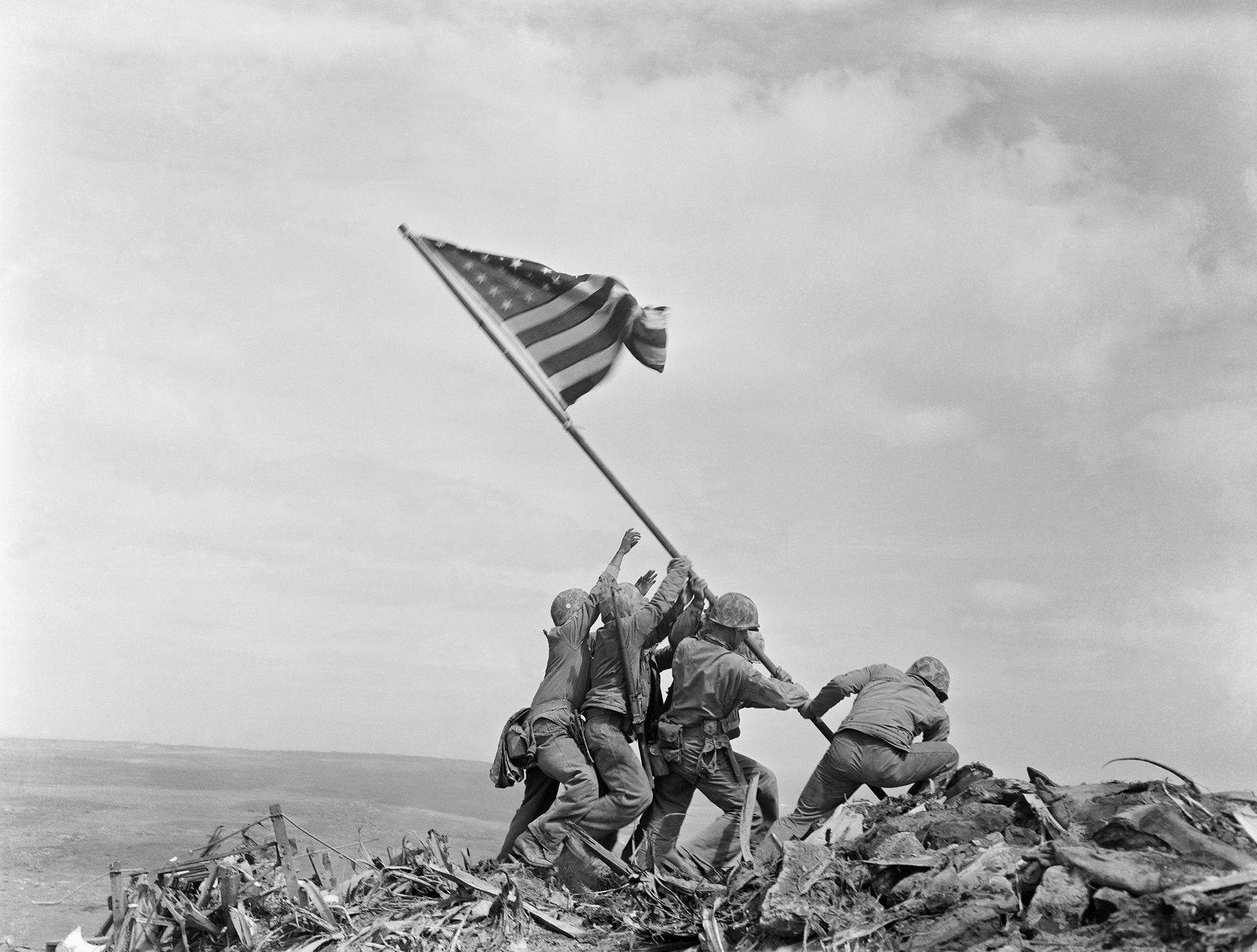
On February 23, 1945, AP photographer Joe Rosenthal shot six U.S. servicemen raising the second American flag atop Mount Suribachi on Iwo Jima, with a Speed Graphic. The shutter speed was 1/400 second. Rosenthal said he took it without looking through the viewfinder. The photo won him that year's Pulitzer Prize.
Leica IIIa, V-J Day in Times Square (1945)
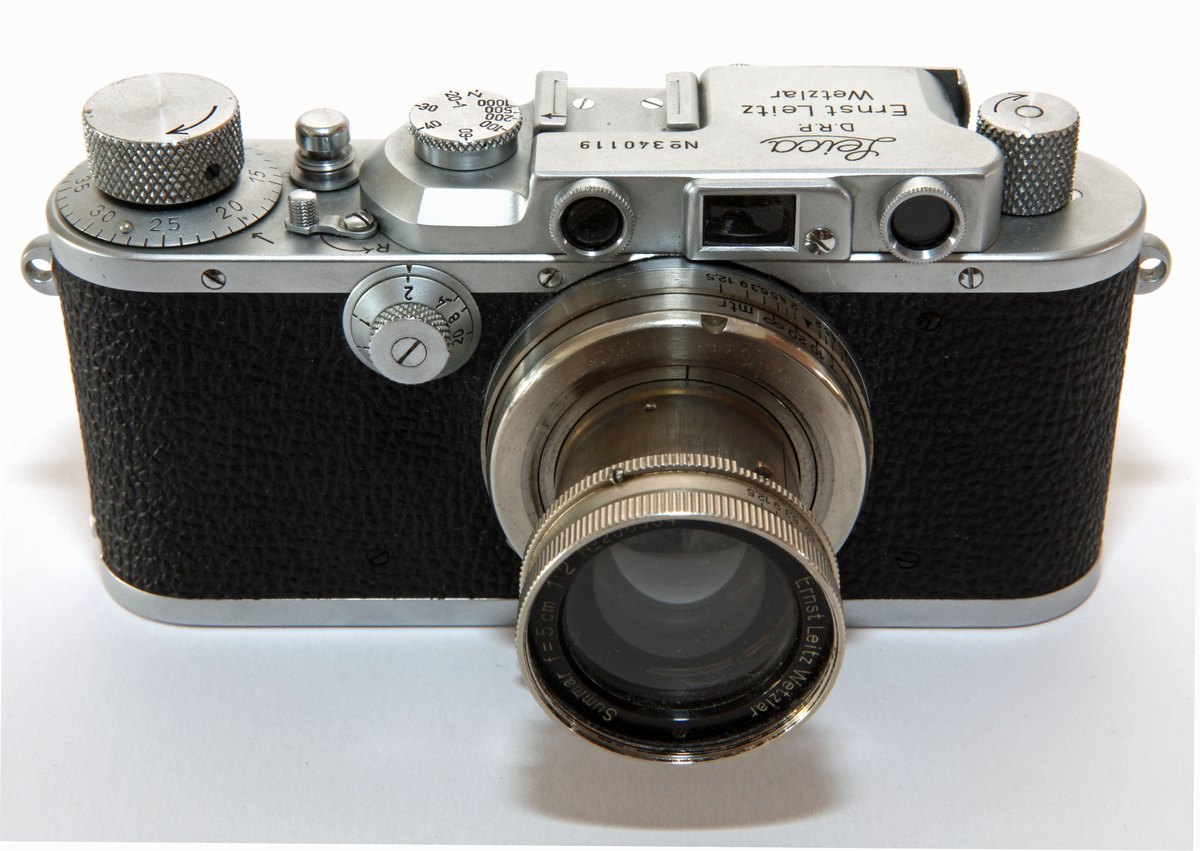
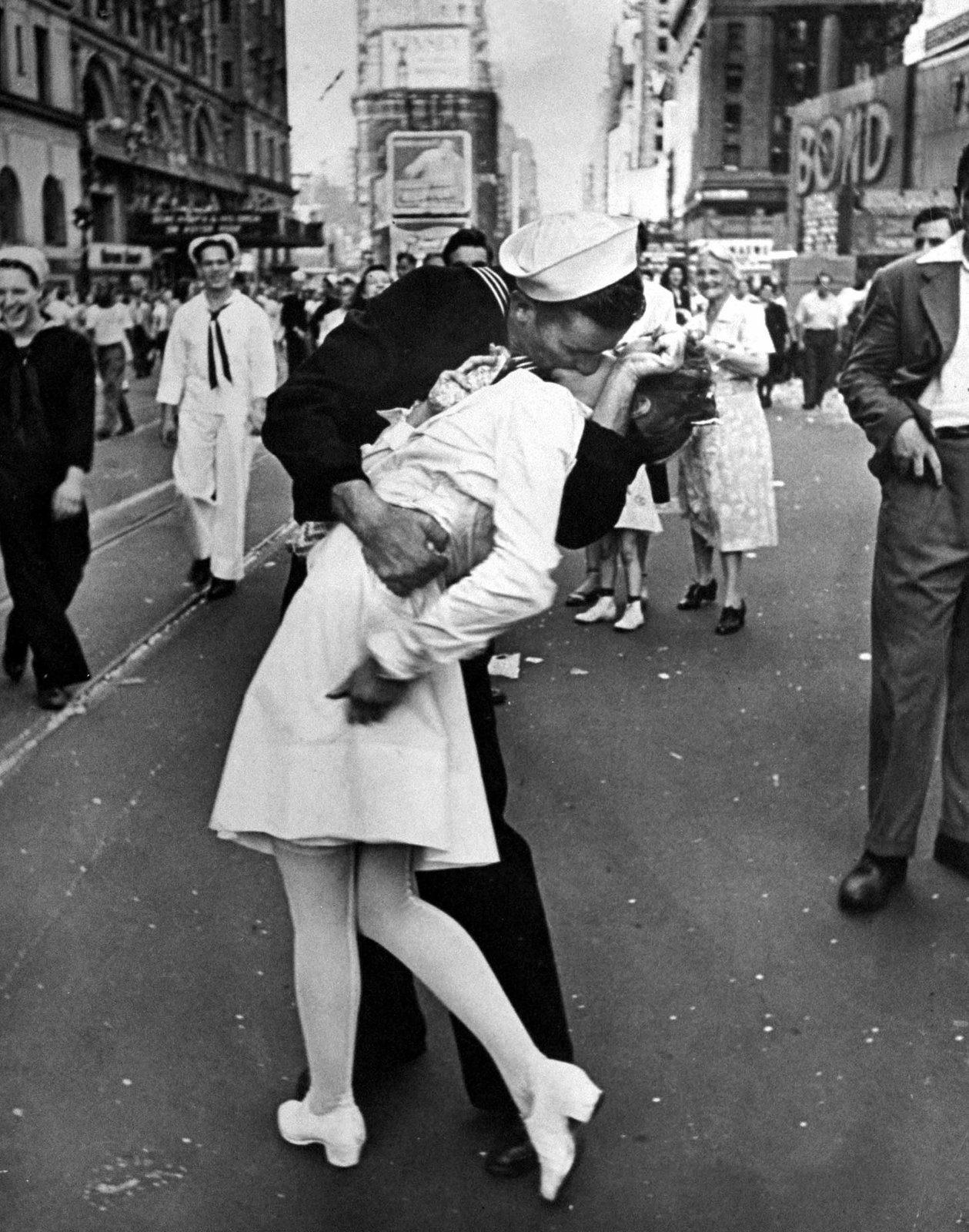
August 14, 1945, was the day news of Japan's surrender arrived. LIFE photographer Alfred Eisenstaedt shot a sailor kissing a woman in a white dress in Times Square, New York, on a Leica IIIa. The photo ran in the August 27, 1945, issue of LIFE.
Leica M2, Guerrillero Heroico (1960)
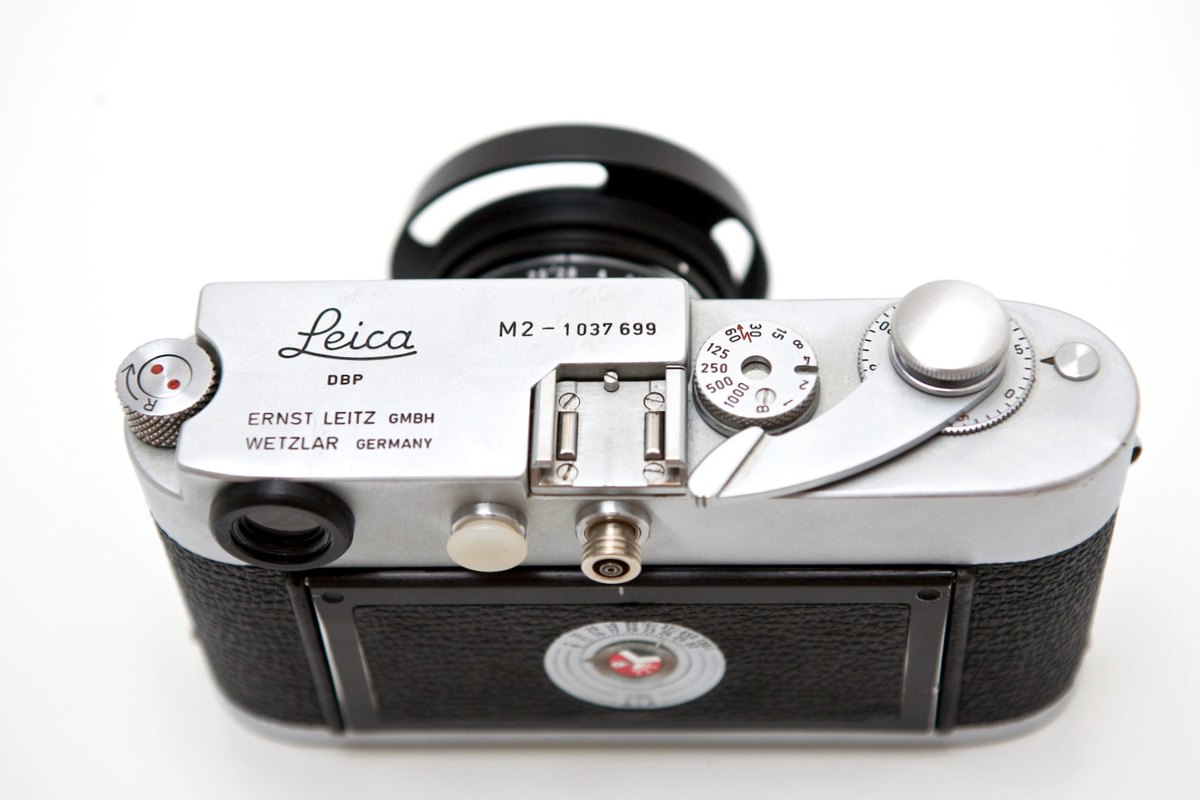
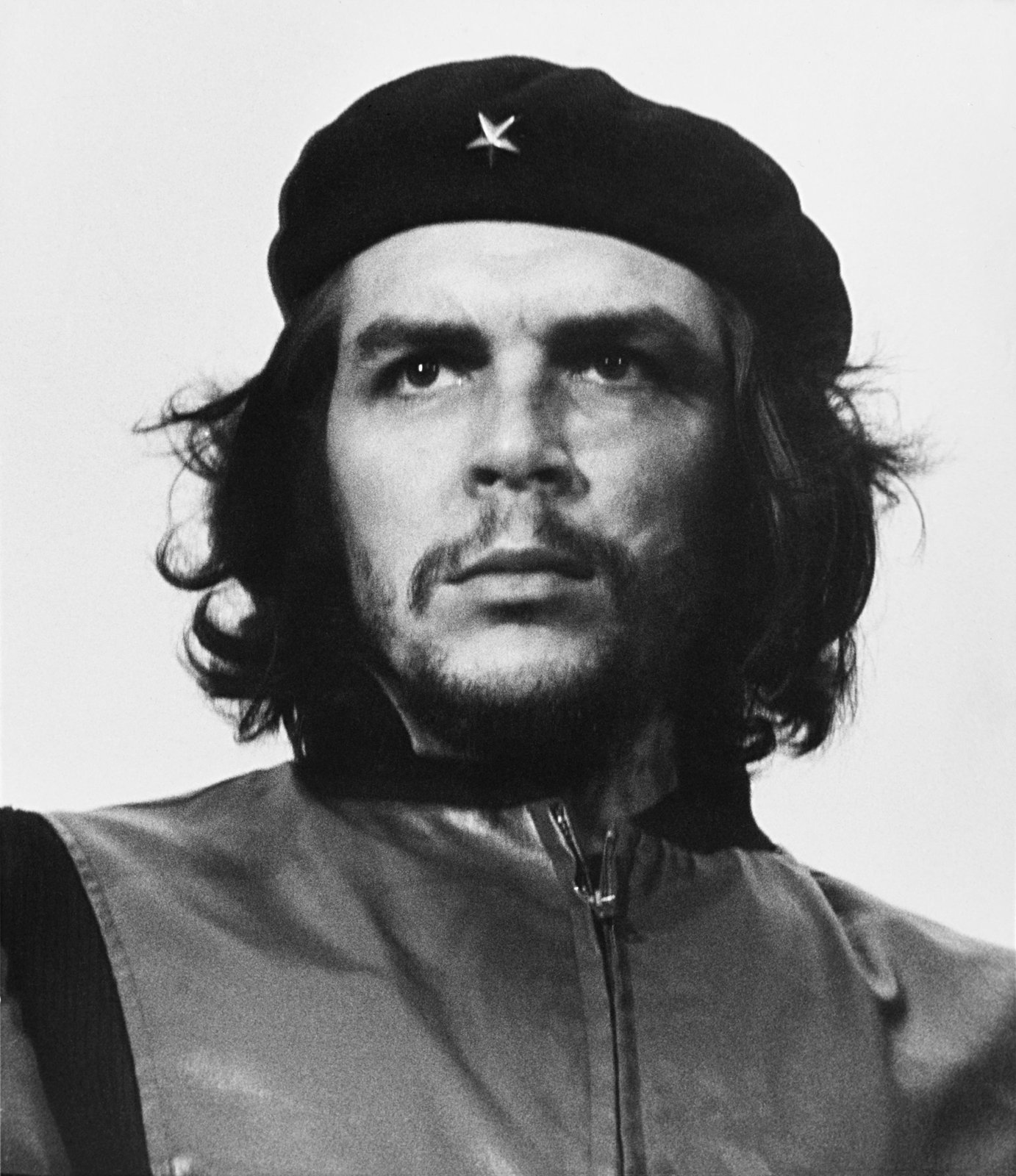
On March 5, 1960, a memorial rally for the victims of the La Coubre explosion was held in Havana, Cuba. There, Alberto Korda shot Che Guevara on a Leica M2 with a 90mm lens and Kodak Plus-X black-and-white film.


