Remember the disposable film camera everybody seemed to carry on school trips as a kid? Sure, some of you may be too young to know, but old-timers like me (heh) will probably get it.
Back then, households didn't have several cameras lying around like they do now. A film camera was a pretty precious thing. It lived deep in the wardrobe like treasure and only came out on special days, like graduations or family trips.
In the TV drama 《Reply 1988》 (응답하라 1988), there's even a scene where Deok-sun loses her dad's camera on a school trip and bawls her eyes out. That's how precious cameras were. Too precious to just carry around. Maybe that's why every kid heading off on a school trip or a picnic had a disposable in hand, something you could use without worrying too much.
The feel of a disposable

As a camera, a disposable is really simple. The focus is basically fixed, and you can't set the shutter speed or aperture yourself. Next to today's cameras, you couldn't call the lens sharp either. The funny thing is, those very shortcomings are what give disposable photos their own look.
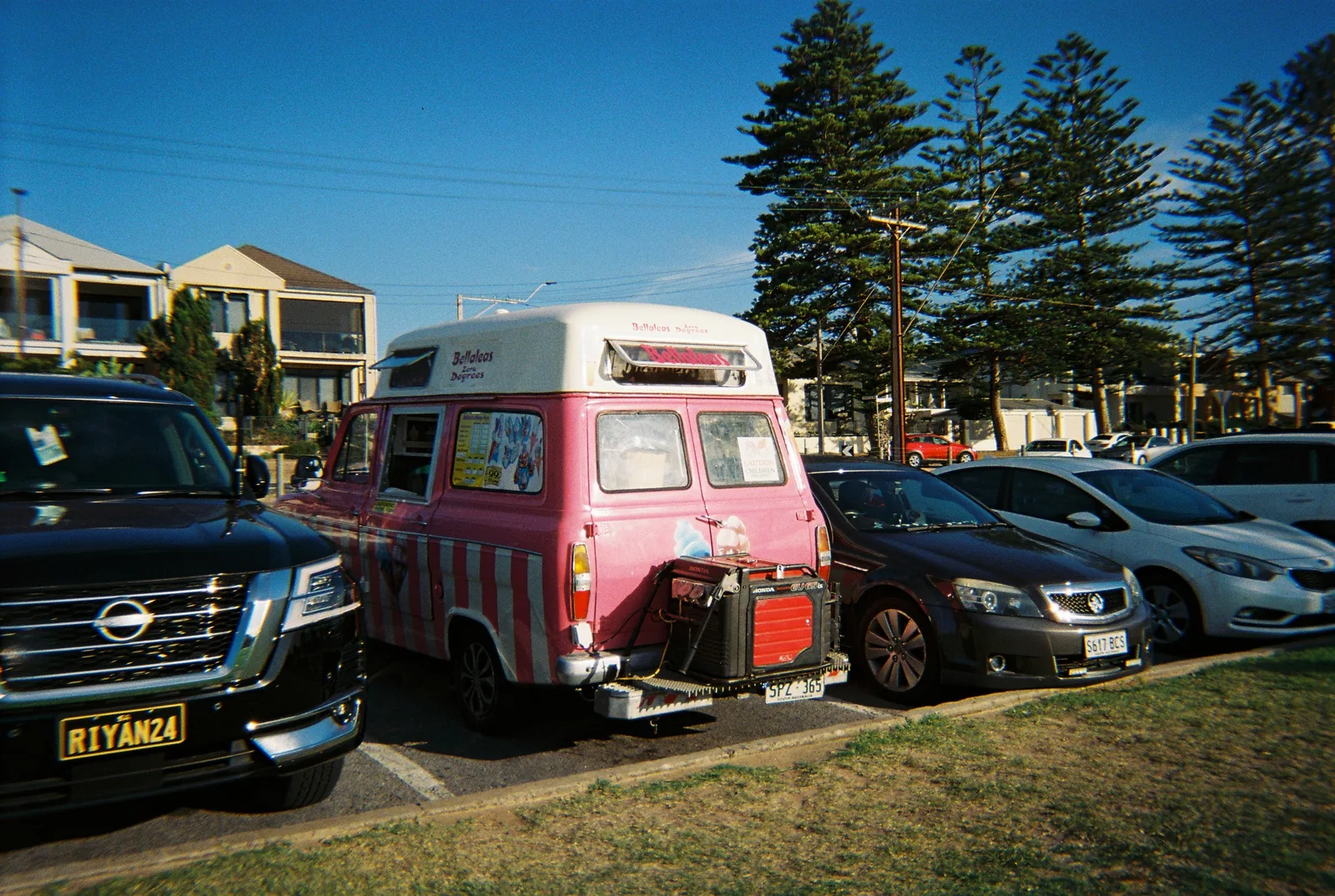
Pictures come out a little soft, the exposure is sometimes off, and with the flash on, people turn out washed-out white. But looking at photos like that, the mood of the day somehow feels more vivid. I think that imperfection brings back a kind of nostalgia that's hard to get from today's digital cameras. And I can't leave out the winding. After each shot you wind on to the next frame, and there's that ratcheting click-click-click and the feel of the gear teeth under your thumb. Little things like that wake the nostalgia up too.
How do you use a disposable camera?

Using a disposable is really easy. First, turn the film winding wheel until it stops. Then frame your shot through the viewfinder and press the shutter. That's it. After each shot, turn the wheel again and take the next one. It varies a little by product, but you usually get around 27 shots.
There's one thing to watch out for, though. Most disposable film cameras have a fairly wide lens, so there's a good chance your finger ends up in the picture. Your fingers can creep toward the side of the lens without you noticing as you hold the camera, so keep an eye on not covering it while you shoot.

Also, don't be shy with the flash indoors or anywhere dark. A disposable's lens isn't fast and the shutter speed is limited, so in low light your photos can come out a lot darker than you'd expect. Depending on the model, you may need to press a flash charge button or flip a switch and wait a moment, so check before you shoot.
Do they still make disposable cameras?

We can take thousands of photos on our phones now, but funnily enough, disposable cameras are still on sale. The best known is the Kodak FunSaver, and the Fujifilm QuickSnap has been a favorite for a long time too. Ilford makes a disposable that shoots black and white, and these days plenty of brands sell versions with different films and designs. Personally, I don't think you need to sweat the specs when picking one. It's not a camera you use to make perfect pictures in the first place. My own pick is the Kodak FunSaver, since it's easy to get.
A disposable camera, in 2026?
Honestly, if efficiency is all you care about, there's almost no reason to use one. A phone is much sharper, less likely to fail, and you can check the shot right away. On top of that, a disposable costs you the camera plus developing and scanning.


So why do people still go looking for disposables? I think it's because taking pictures feels different. You only have 27, so you don't fire away at everything, and since you can't see the shots right away, you pay a bit more attention to the moment. Then a few days later you get the prints back, and somewhere among the imperfect frames you find one you strangely love.
Most of the photos I took with friends on school trips as a kid weren't perfect either. Someone had their eyes closed, someone was looking the other way, and in some the flash blew faces out to white. But pull them out again 20 or 30 years later, and those are the ones that are the most fun.

So maybe a disposable isn't a camera for taking good pictures. Maybe it's a camera for keeping memories. If you've got a trip or a get-together with friends coming up, why not pack a disposable along with your phone? A few years from now, those 27 shots might turn out to be a lot more fun to look back on than you'd think.