"Maybe taking a picture is less about catching something than about looking at it for a long time before it disappears."
Some photographers are quick on the shutter. Koo Bohnchang is one who looks for a long time. Born in Seoul in 1953, he picked up a camera before contemporary Korean photography was treated as art, and for more than 40 years he has stayed with the same question: how do you keep what is disappearing? Right now, Kukje Gallery in Samcheong-dong, Seoul, is showing 《Objects in Oscillation》 (진동하는 사물들), a photography exhibition he curated. This piece is a short guide to that show, and a record of one photographer's long voyage.
From office worker to photographer
He didn't start out in photography. He studied business administration at Yonsei University and joined a company after graduating. He didn't last long there. In 1980 he went to Hamburg, Germany, learned photography from scratch, earned his degree at the Hamburg University of Fine Arts and came home in 1985. He changed course at the age when others were settling down. That late start runs through all of his work: no hurry, and a habit of staying with one subject for years.
Making photographs into objects

The work he made just after coming home was unfamiliar. In the 〈In the Beginning〉 (1991) series, he wrapped bodies in bandages and stitched and layered his prints with thread. He treated the photograph as an object you can handle, not a smooth image to hang on a wall. Taking something that had already passed through film, paper and hours in the darkroom, and finishing it with a needle, shows exactly what he thinks: a photograph is a physical thing. You can feel the real materials and labor behind the image. In a time when digital tools make everything smooth, it still carries weight.
Breath, and the things that disappear
With 〈Goodbye Paradise〉 (굿바이 파라다이스, 1993) and 〈Breath〉 (숨, 1995), his subject came into focus: disappearance and memory. Things about to vanish, things already worn out, things soon to be forgotten. He quietly lets them into the frame. Nothing dramatic happens. Instead there is a texture you only see if you look for a long time.
White porcelain: gathering what was scattered

It was white porcelain that made his name around the world. For the 〈Vessel〉 (2004~06) series, he tracked down Joseon white porcelain held in museums around the world and photographed it. No showy backdrop, no dramatic lighting: just a single moon jar standing in calm, empty space. Vessels that had been scattered finally come together in the photographs. The beauty of white porcelain, long overshadowed by the splendor of celadon on tourist postcards, began to be talked about again through his pictures.
The faces of worn things
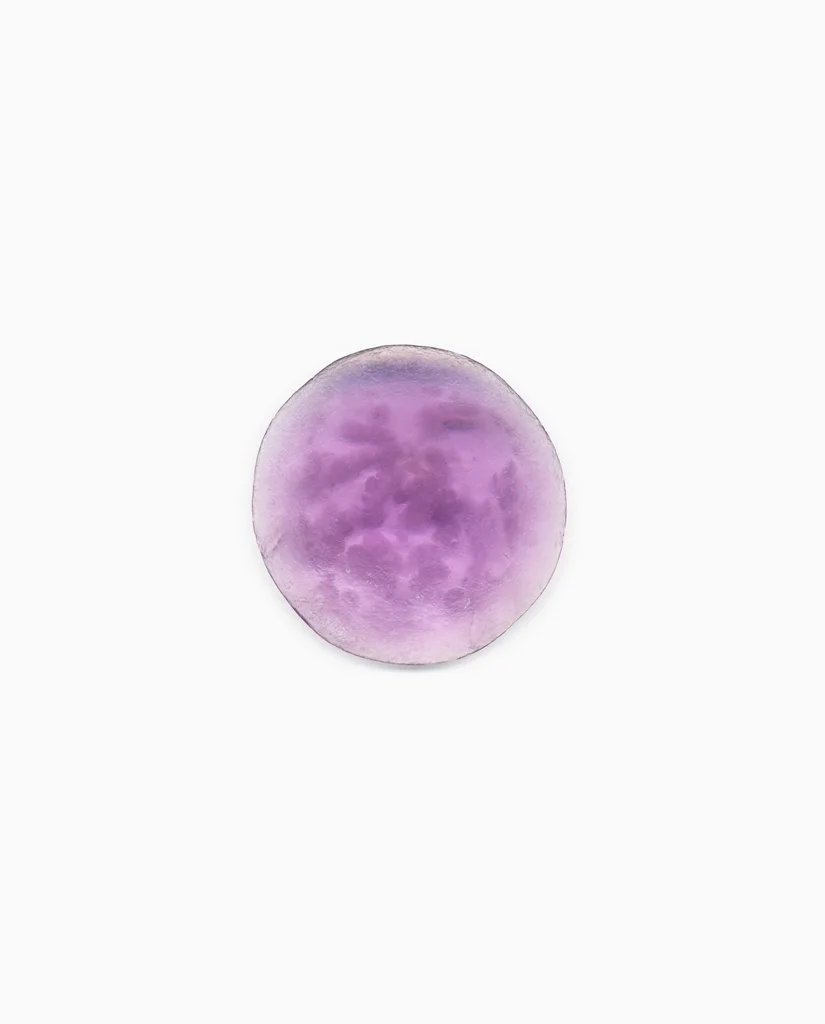
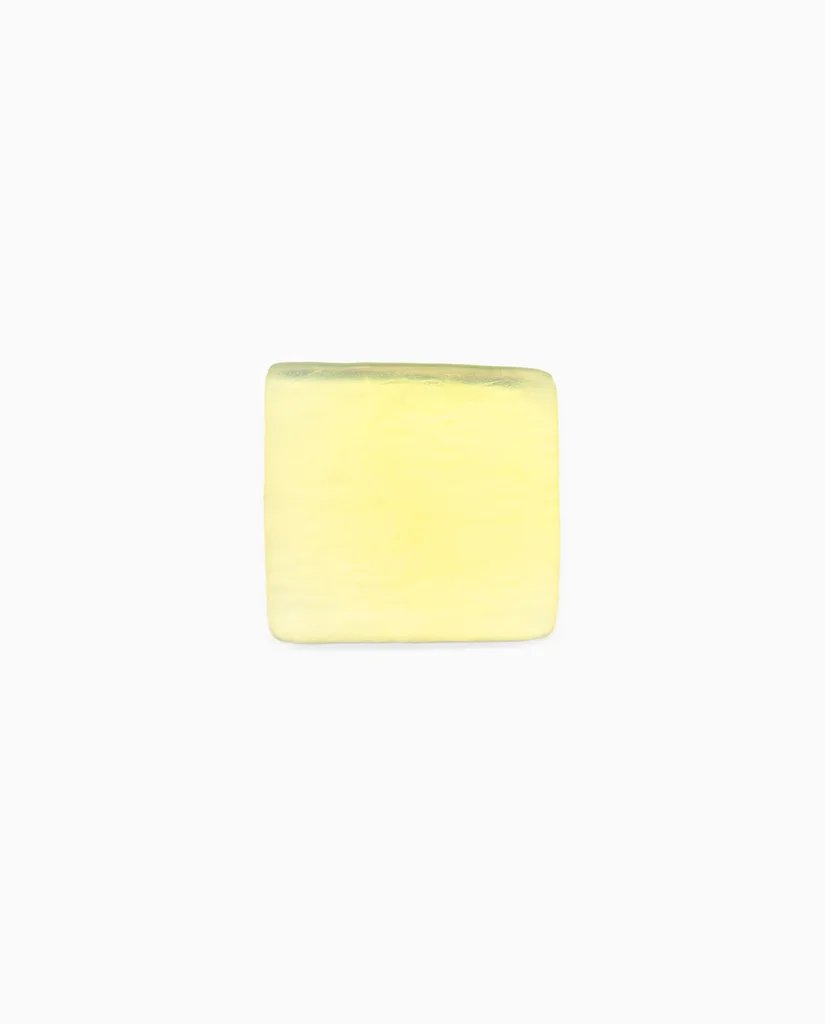
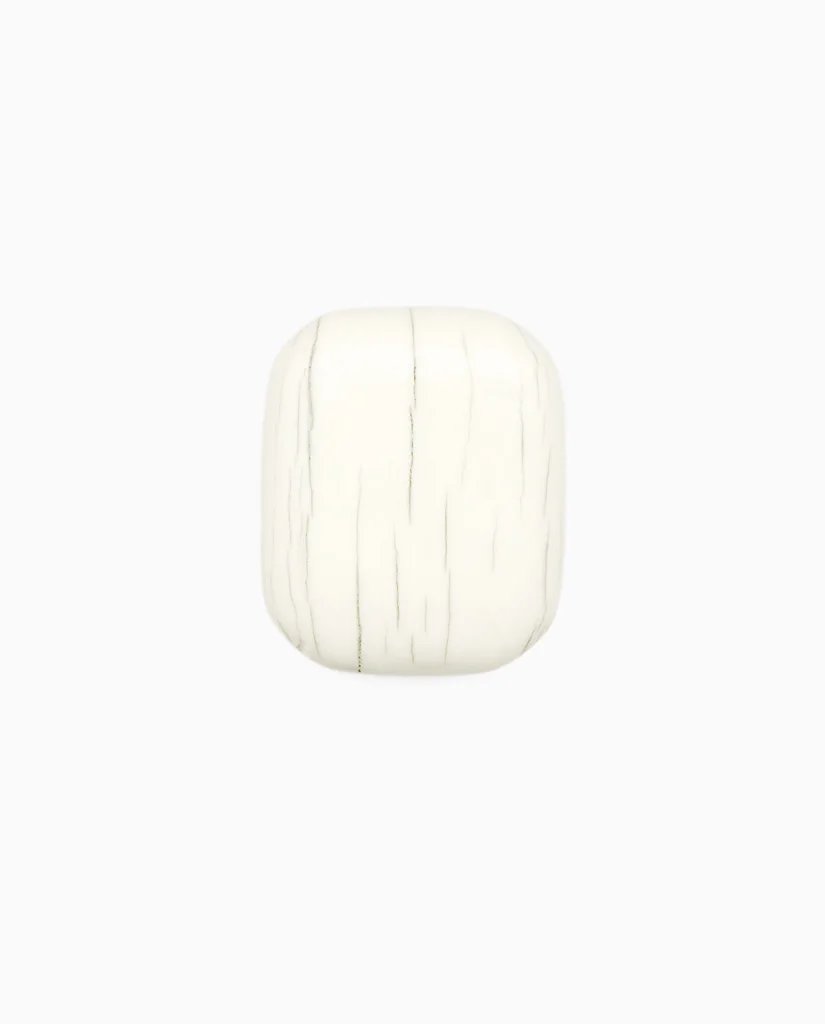
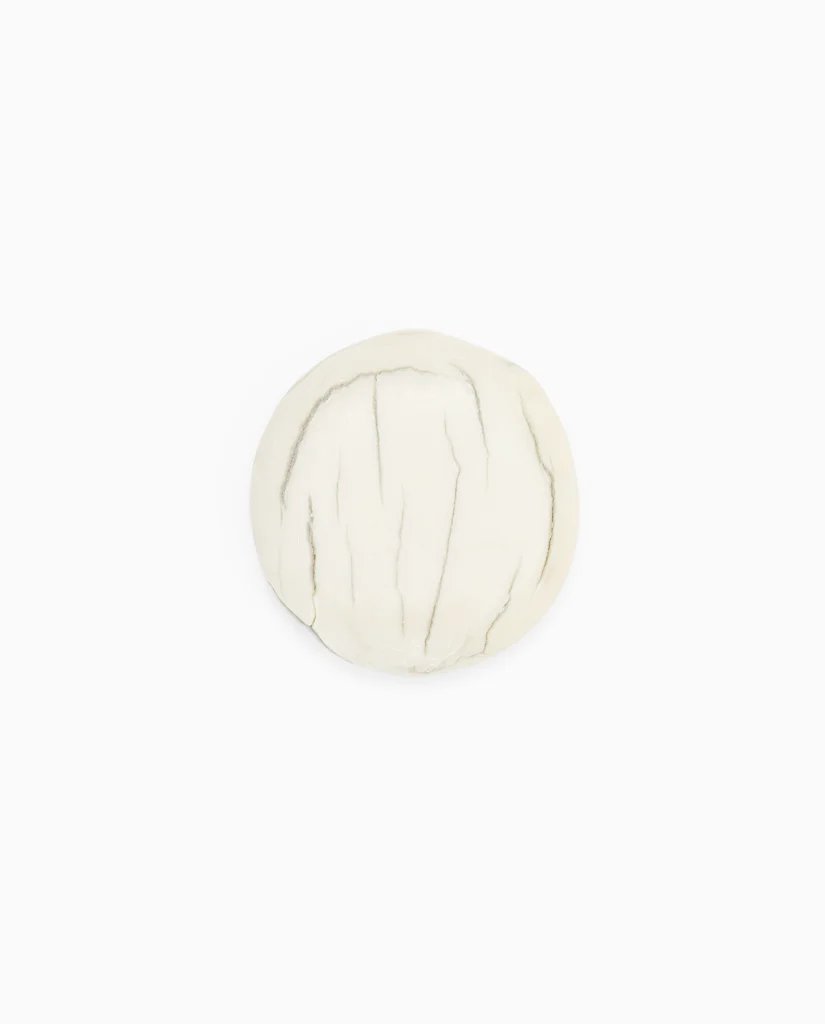
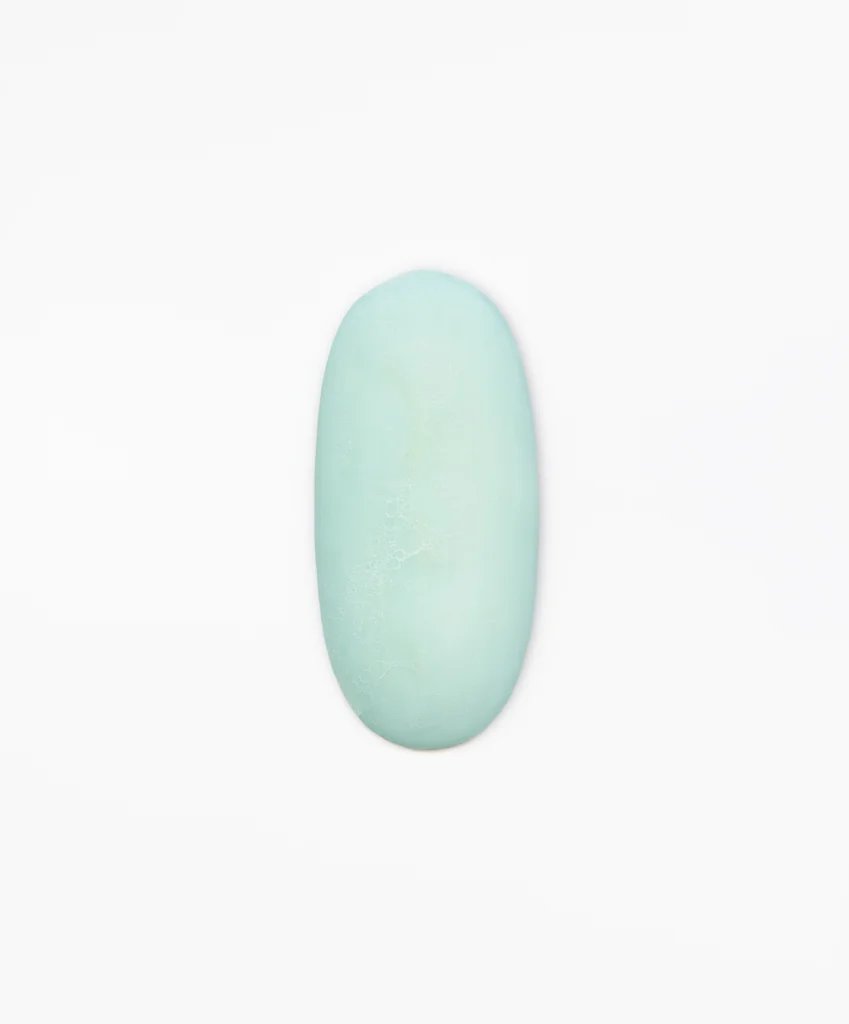
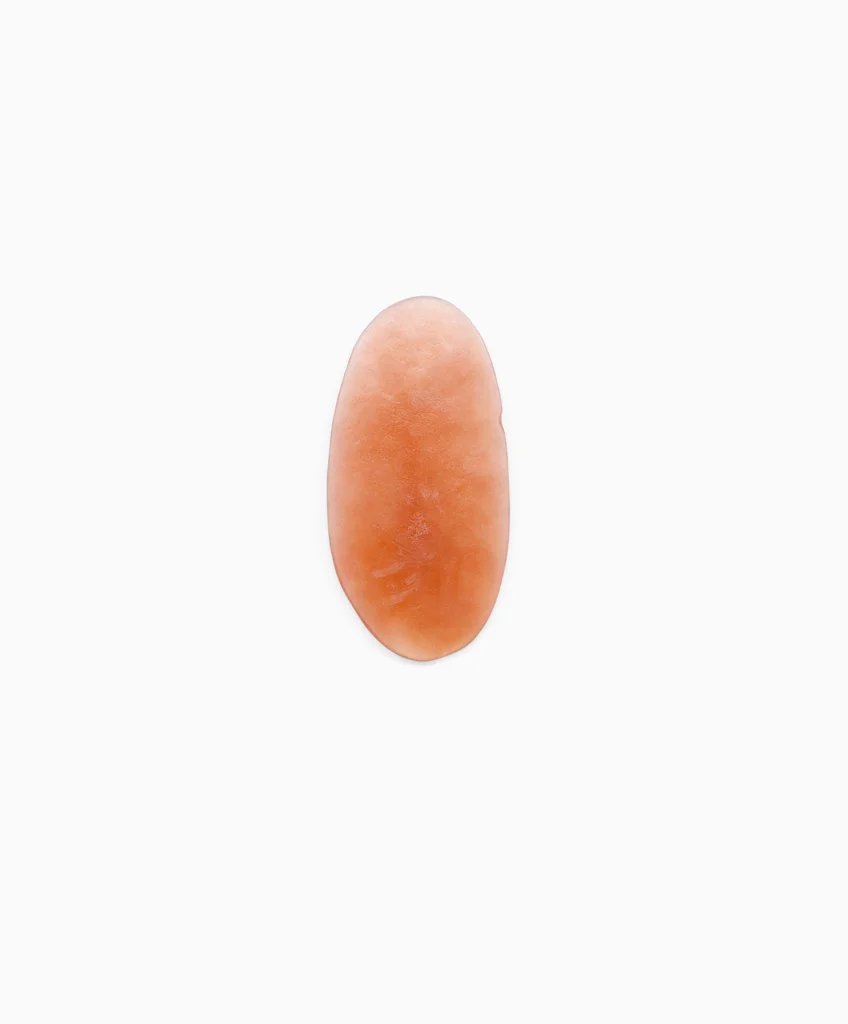
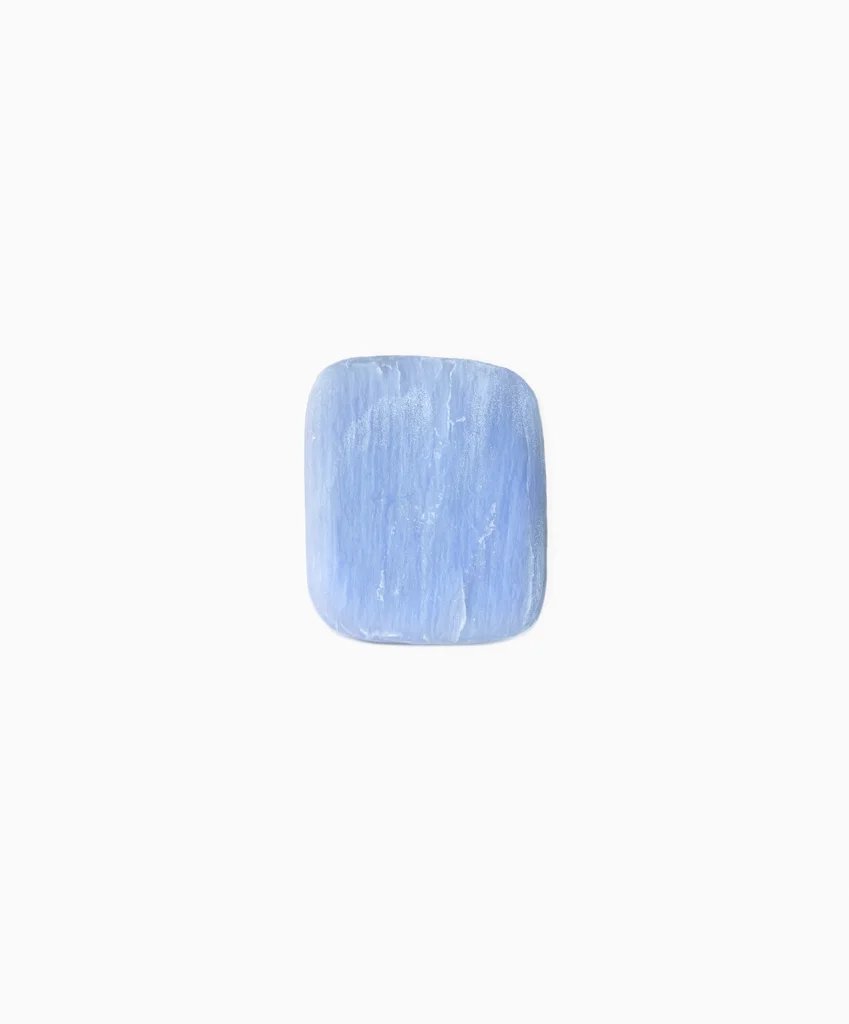
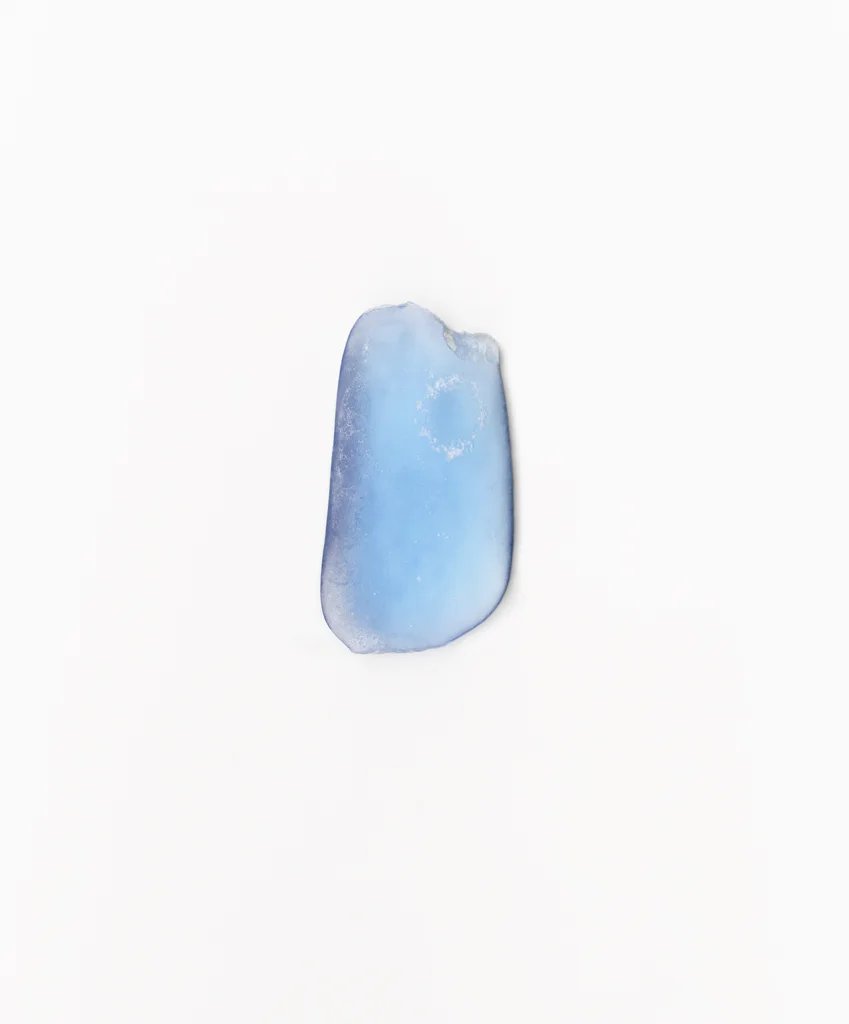
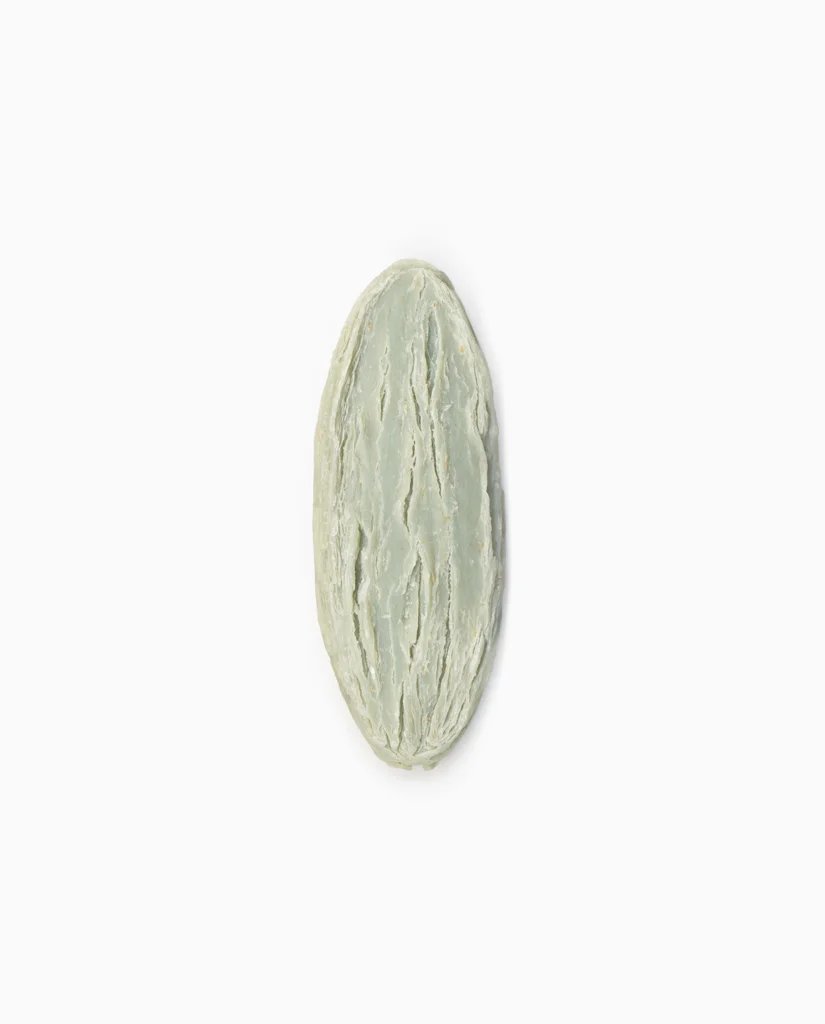
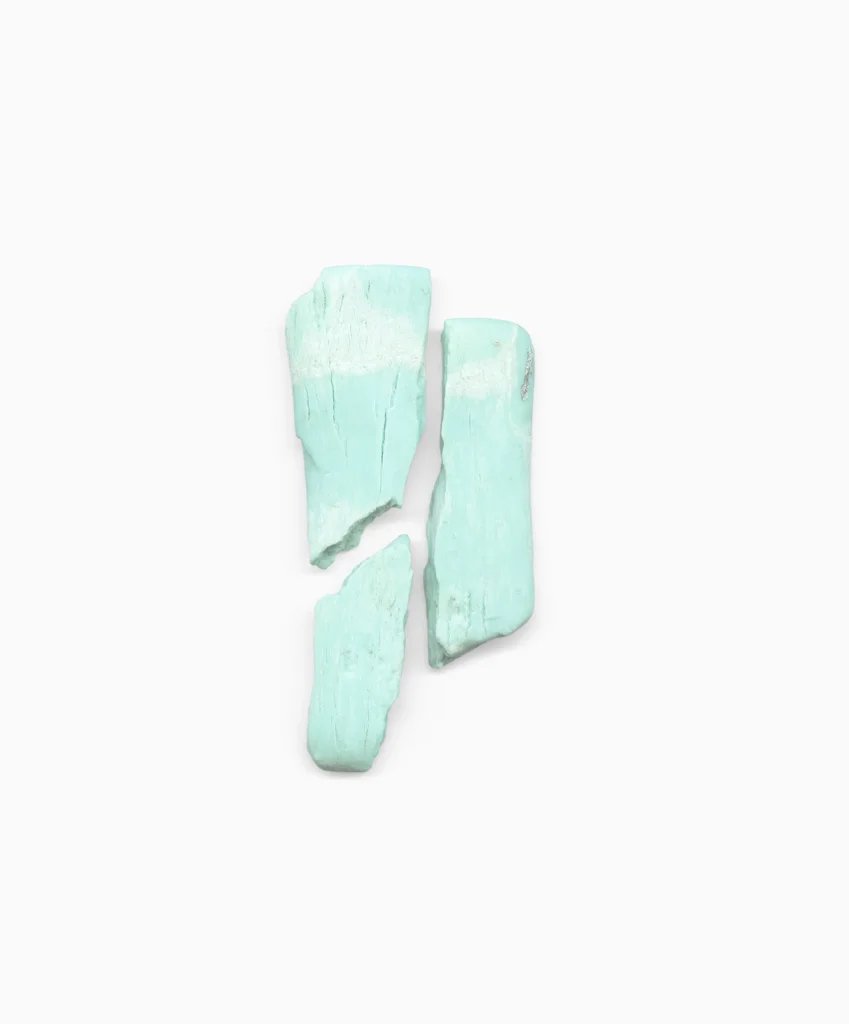
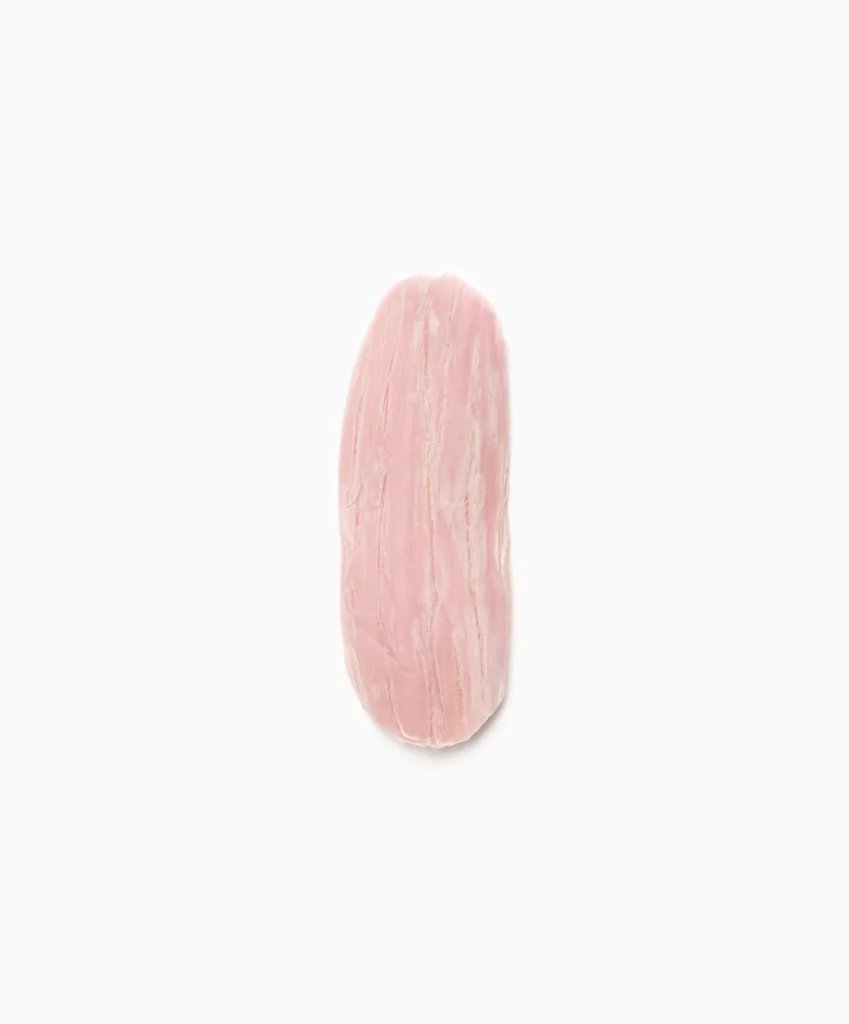
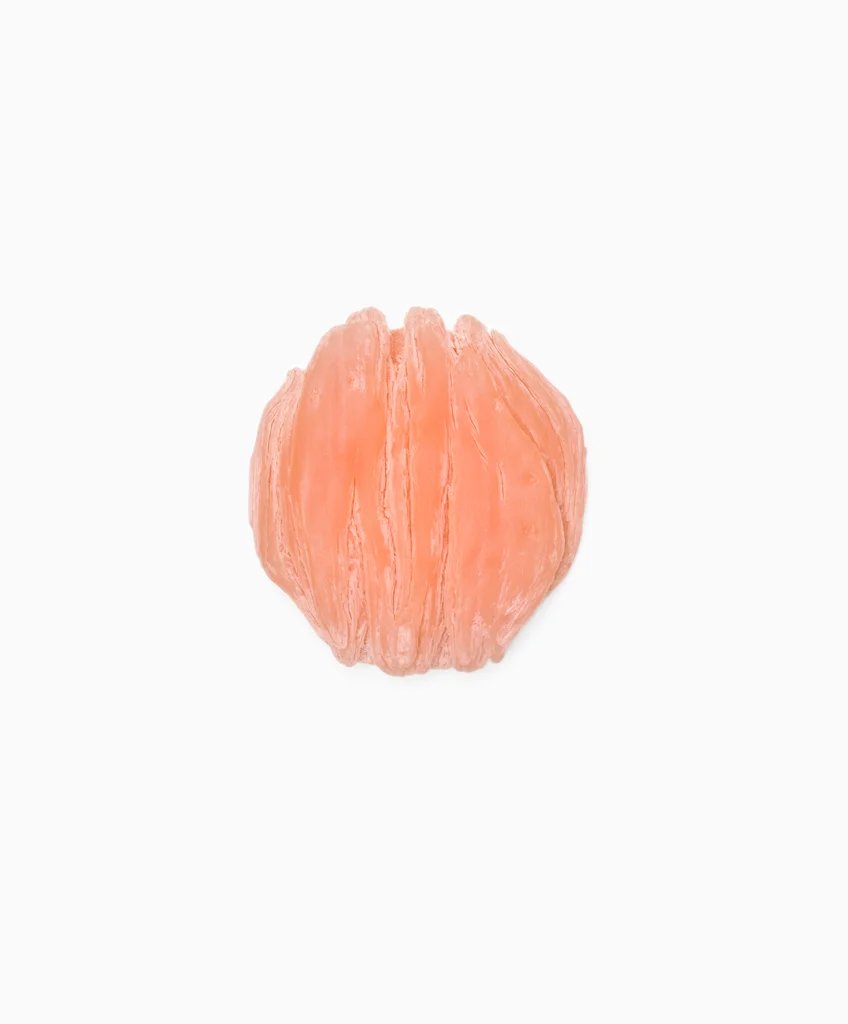
In 〈Soap〉 (2004~07) he studied bars of soap worn down by use, and in 〈Masks〉 (탈) the carved faces of wood. He keeps photographing the places time has passed through, rather than the shine of the new. Things worn, cracked and faded. In objects about to be thrown away, he finds an expression.
Photographs that went out into the world
At a time when work by Korean photographers rarely hung in major museums abroad, his photographs entered the Getty Museum, the Museum of Fine Arts, Boston, the British Museum and the V&A. He was there when contemporary Korean photography first earned real standing internationally. In the winter of 2023, the Seoul Museum of Art (SeMA) laid out half a century of his work as 《Koo Bohnchang's Voyage》 (구본창의 항해): some 500 works, from the first self-portrait he took at sixteen to his recent pieces. The scale alone showed how long, and how faithfully, one person can keep to a single path.
Again, objects in oscillation

And now he stands alongside younger photographers once more. 《Objects in Oscillation》 at Kukje Gallery is an exhibition Koo curated himself, in which nine photographers each look at objects in their own way. In an age when AI generates images and retouching smooths everything over, they photograph still lifes without heavy manipulation, using only their eyes, their instincts and the optics of the camera. Objects that seem to stand still are in fact quietly vibrating. The title of the show says it plainly.
We live in a time of shooting fast and scrolling past. His photographs argue for the opposite: looking for a long time, handling things with care, not rushing in front of what is disappearing. The way you'd wind a roll of film sparingly, he holds on to a single scene for a long time. That is why we keep going back to his pictures.
《Objects in Oscillation》 at Kukje Gallery
Still lifes by nine photographers, curated by Koo Bohnchang. See it in person at Kukje Gallery in Samcheong-dong, Seoul, through July 19.